https://www.imosver.com/es/ebooks/munch-E0002744719E0002744719MUNCH6.72Edvard Munch, born in 1863, was Norway's most popular artist. His brooding and anguished paintings, based on personal grief and obsessions, were instrumental in the development of Expressionism. Durinhttps://www.aglutinaeditores.com/media/resources/public/5c/5c46/5c46437157994a8f8876cca12542a59cEbookEbook/ARQUITECTURADisponiblePARKSTONE INTERNATIONAL000https://www.aglutinaeditores.com/media/resources/public/5c/5c46/5c46437157994a8f8876cca12542a59cALO00644187.0750.352011/12/229781781606155PATRICK BADEEbookaño_2011engautor_PATRICK BADE
Este tipo de cookies permiten al usuario la navegación a través de una página web, plataforma o aplicación y la utilización de las diferentes opciones o servicios que en ella existan.
imosverlaravel_session
Descripción
Esta cookie es necesaria para que el sitio web funcione y no se pueden desactivar en nuestros sistemas
Duración
Sesión
Dependencias
Dominio
imosver.com
OCT8NE
Descripción
Esta cookie se utiliza para el correcto funcionamiento del Chat de Oct8ne para prestar el servicio de atención al cliente al usuario
Son aquéllas que posibilitan el seguimiento y análisis del comportamiento de los usuarios en nuestra página. La información recogida se utiliza para la medición de la actividad de los usuarios en la web y la elaboración de perfiles de navegación de los usuarios.
_clsk
Descripción
Registra datos estadísticos del comportamiento del visitante en la web. Esto se utiliza para análisis internos por el operador de la web
Duración
1 año
Dependencias
_clsk,MUID,_clck
Dominio
logglytrackingsession
Descripción
Identifica y registra la sesión del usuario con fines analíticos.
Duración
Sesión
Dependencias
Dominio
.imosver.com
GOOGLE_ANALYTICS
Descripción
Registra una identificación única que se utiliza para generar datos estadísticos acerca de cómo utiliza el visitante el sitio web.
Duración
1 año
Dependencias
Dominio
.imosver.com
Son aquellas que nos permiten adaptar la navegación en nuestra página web a sus preferencias (Ej. Idioma, navegador utilizado, …etc)
_fbp
Descripción
Utilizado por Facebook para ofrecer una serie de productos publicitarios, como ofertas en tiempo real de terceros anunciantes.
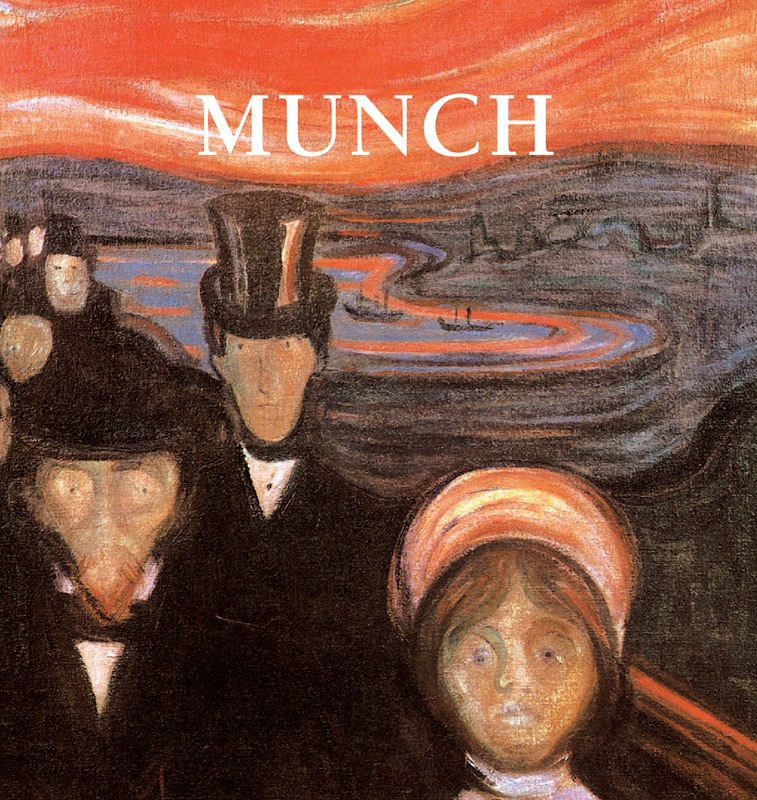
Edvard Munch, born in 1863, was Norway's most popular artist. His brooding and anguished paintings, based on personal grief and obsessions, were instrumental in the development of Expressionism. During his childhood, the death of his parents, his brother and sister, and the mental illness of another sister, were of great influence on his convulsed and tortuous art. In his works, Munch turned again and again to the memory of illness, death and grief. During his career, Munch changed his idiom many times. At first, influenced by Impressionism and Post-impressionism, he turned to a highly personal style and content, increasingly concerned with images of illness and death. In the 1892s, his style developed a ‘Synthetist' idiom as seen in The Scream (1893) which is regarded as an icon and the portrayal of modern humanity's spiritual and existential anguish. He painted different versions of it. During the 1890s Munch favoured a shallow pictorial space, and used it in his frequently frontal pictures. His work often included the symbolic portrayal of such themes as misery, sickness, and death. and the poses of his figures in many of his portraits were chosen in order to capture their state of mind and psychological condition. It also lends a monumental, static quality to the paintings. In 1892, the Union of Berlin Artists invited Munch to exhibit at its November exhibition. His paintings invoked bitter controversy at the show, and after one week the exhibition closed. In the 1930s and 1940s, the Nazis labeled his work “degenerate art”, and removed his works from German museums. This deeply hurt the anti-fascist Munch, who had come to feel Germany was his second homeland. In 1908 Munch's anxiety became acute and he was hospitalized. He returned to Norway in 1909 and died in Oslo in 1944.