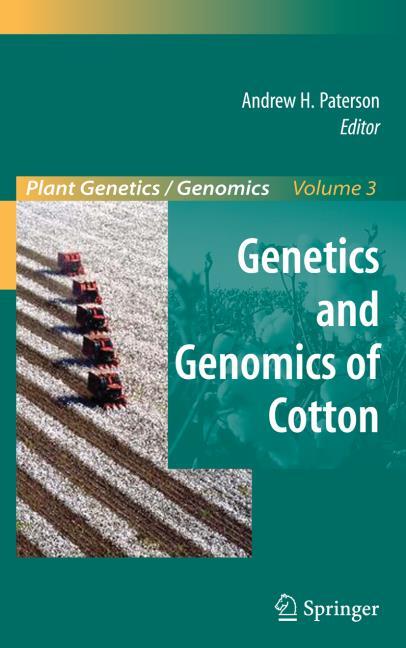
https://www.imosver.com/ca/libros/genetics-and-genomics-of-cotton-00107128660010712866Genetics and Genomics of Cotton197.59A few members of the Gossypium (cotton) genus are cultivated for the production of elongated single-celled fibers valued worldwide at about $20 billion annually at the farm gate, and which sustain onehttps://static.imosver.com/imagenes_small/9780387/978038770809.jpgLibrosSin stockSPRINGER000https://static.imosver.com/imagenes_small/9780387/978038770809.jpg0010749495001074949600107307340010749494207.99510.42009/04/019780387708096VV.AA.Librosaño_2009idioma_AnglèsIautor_VV.AA.saga_Plant Genetics and Genomics: Crops and Models
Aquest tipus de galetes permeten a l'usuari la navegació a través d'una pàgina web, plataforma o aplicació i la utilització de les diferents opcions o serveis que hi hagi.
imosver_session
Descripció
imosver_session_descripción
Duració
120 minuts
Dependències
Domini
imosver.com
OCT8NE
Descripció
Aquesta galeta s'utilitza per al correcte funcionament del Xat d'Oct8ne per prestar el servei d'atenció al client a l'usuari.
Són aquelles que possibiliten el seguiment i anàlisi del comportament dels usuaris a la nostra pàgina. La informació recollida s'utilitza per a la mesura de l'activitat dels usuaris al lloc web i l'elaboració de perfils de navegació dels usuaris.
_clsk
Descripció
Registra dades estadístiques del comportament del visitant a la web. Això s'utilitza per a anàlisis interns per part de l'operador del lloc web.
Duració
1 dies
Dependències
Domini
imosver.com
logglytrackingsession
Descripció
Identifica i registra la sessió de l'usuari amb finalitats analítiques.
Duració
Sessió
Dependències
Domini
.imosver.com
GOOGLE_ANALYTICS
Descripció
Registra una identificació única que s'utilitza per generar dades estadístiques sobre com utilitza el visitant el lloc web.
Duració
1 any
Dependències
Domini
.imosver.com
_clck
Descripció
_clck_descripción
Duració
1 any
Dependències
Domini
imosver.com
CLID
Descripció
CLID_descripción
Duració
1 any
Dependències
Domini
clarity.ms
_ga
Descripció
_ga_descripción
Duració
2 any
Dependències
Domini
.imosver.com
_ga_LZR660YW0M
Descripció
_ga_LZR660YW0M_descripción
Duració
2 any
Dependències
Domini
.imosver.com
Són aquelles que ens permeten adaptar la navegació a la nostra pàgina web a les seves preferències (per exemple, idioma, navegador utilitzat, etc.).
_fbp
Descripció
Utilitzat per Facebook per oferir una sèrie de productes publicitaris, com ara ofertes en temps real de tercers anunciants.
A few members of the Gossypium (cotton) genus are cultivated for the production of elongated single-celled fibers valued worldwide at about $20 billion annually at the farm gate, and which sustain one of the world's largest industries (textiles) with an annual worldwide economic impact of about $500 billion. In a number of ways, cotton production and the textile industry are closely tied to petrochemical usage. At a practical level, cotton genomics offers both bio-based carbon sequestration alternatives to petrochemical use, and improved sustainability of crop production. The Gossypium (cotton) also genus presents novel opportunities to advance our understanding of the natural world and its organic evolution. In particular, the evolution of cultivated cottons from their wild ancestors has involved a fascinating series of events that offer scientists the opportunity to dissect the evolution of a novel organ, the ?lint fiber', and also to unravel the consequences of polyploidy, both for the generation of biodiversity and for crop productivity. In this book, advances of the past decade will be summarized and synthesized to elucidate the current state of knowledge of the structure, function, and evolution of the Gossypium genome, and progress in the application of this knowledge to cotton improvement. This book will address five broad topics. First, as a backdrop for all studies of the genus, it is important to understand the naturally-occurring diversity in the genus, its organization and distribution, and its evolutionary history. Of special importance is the formation of a single polyploid from two (among 8) diploid genome types, the radiation of this polyploid, and the domestication and improvement of two (among 5 extant) polyploid species.