https://www.imosver.com/ca/libros/harmful-cyanobacteria-00106307510010630751Harmful Cyanobacteria148.19Several cyanobacterial species can produce powerful toxins that provide a serious threat for water quality, other aquatic organisms, and human health. These harmful cyanobacteria are especially prominhttps://static.imosver.com/imagenes_small/9781402/978140203009.jpgLibrosSin stockSPRINGER000https://static.imosver.com/imagenes_small/9781402/978140203009.jpg155.9957.82005/02/169781402030093Huisman, JefLibrosaño_2005idioma_AnglèsIautor_Huisman, Jefsaga_Aquatic Ecology Series
Aquest tipus de galetes permeten a l'usuari la navegació a través d'una pàgina web, plataforma o aplicació i la utilització de les diferents opcions o serveis que hi hagi.
imosver_session
Descripció
imosver_session_descripción
Duració
120 minuts
Dependències
Domini
imosver.com
OCT8NE
Descripció
Aquesta galeta s'utilitza per al correcte funcionament del Xat d'Oct8ne per prestar el servei d'atenció al client a l'usuari.
Són aquelles que possibiliten el seguiment i anàlisi del comportament dels usuaris a la nostra pàgina. La informació recollida s'utilitza per a la mesura de l'activitat dels usuaris al lloc web i l'elaboració de perfils de navegació dels usuaris.
_clsk
Descripció
Registra dades estadístiques del comportament del visitant a la web. Això s'utilitza per a anàlisis interns per part de l'operador del lloc web.
Duració
1 dies
Dependències
Domini
imosver.com
logglytrackingsession
Descripció
Identifica i registra la sessió de l'usuari amb finalitats analítiques.
Duració
Sessió
Dependències
Domini
.imosver.com
GOOGLE_ANALYTICS
Descripció
Registra una identificació única que s'utilitza per generar dades estadístiques sobre com utilitza el visitant el lloc web.
Duració
1 any
Dependències
Domini
.imosver.com
_clck
Descripció
_clck_descripción
Duració
1 any
Dependències
Domini
imosver.com
CLID
Descripció
CLID_descripción
Duració
1 any
Dependències
Domini
clarity.ms
_ga
Descripció
_ga_descripción
Duració
2 any
Dependències
Domini
.imosver.com
_ga_LZR660YW0M
Descripció
_ga_LZR660YW0M_descripción
Duració
2 any
Dependències
Domini
.imosver.com
Són aquelles que ens permeten adaptar la navegació a la nostra pàgina web a les seves preferències (per exemple, idioma, navegador utilitzat, etc.).
_fbp
Descripció
Utilitzat per Facebook per oferir una sèrie de productes publicitaris, com ara ofertes en temps real de tercers anunciants.
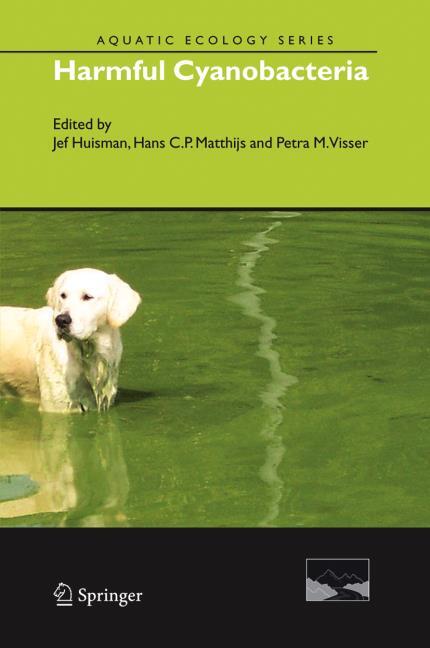
Several cyanobacterial species can produce powerful toxins that provide a serious threat for water quality, other aquatic organisms, and human health. These harmful cyanobacteria are especially prominent in freshwater ecosystems, and are a major concern for water managers. From a scientific perspective, there are many recent advances in this research area:- Owing to the scientific revolution in genomics, new molecular techniques have been developed that enable the detection of toxic cyanobacteria at a very early stage.- New laboratory culture techniques have enabled eco-physiological studies of toxin production at a detailed scale that was beyond reach until recently. - Remote sensing of freshwater cyanobacteria is a rapidly expanding field, owing to the increased spectral resolution of airborne data.- New computational techniques have led to advanced models on the population dynamics of cyanobacteria. From a management perspective, recognition of the toxins produced by harmful cyanobacteria has recently led to new environmental policies with respect to toxic cyanobacteria in many western countries. The purpose of this work is to provide an up-to-date overview of the advances in our knowledge of harmful cyanobacteria. The work is directed towards graduate students and scientists in aquatic microbiology, aquatic ecology, environmental toxicology, and water management, and academic professionals in water management and environmental policy. "This is an outstanding volume that should be a 'must-see' reference for all scientists and environmental professionals who are interested in cyanobacterial ecology and water quality management." Val H. Smith, University of Kansas, USA nbsp;