Anglès
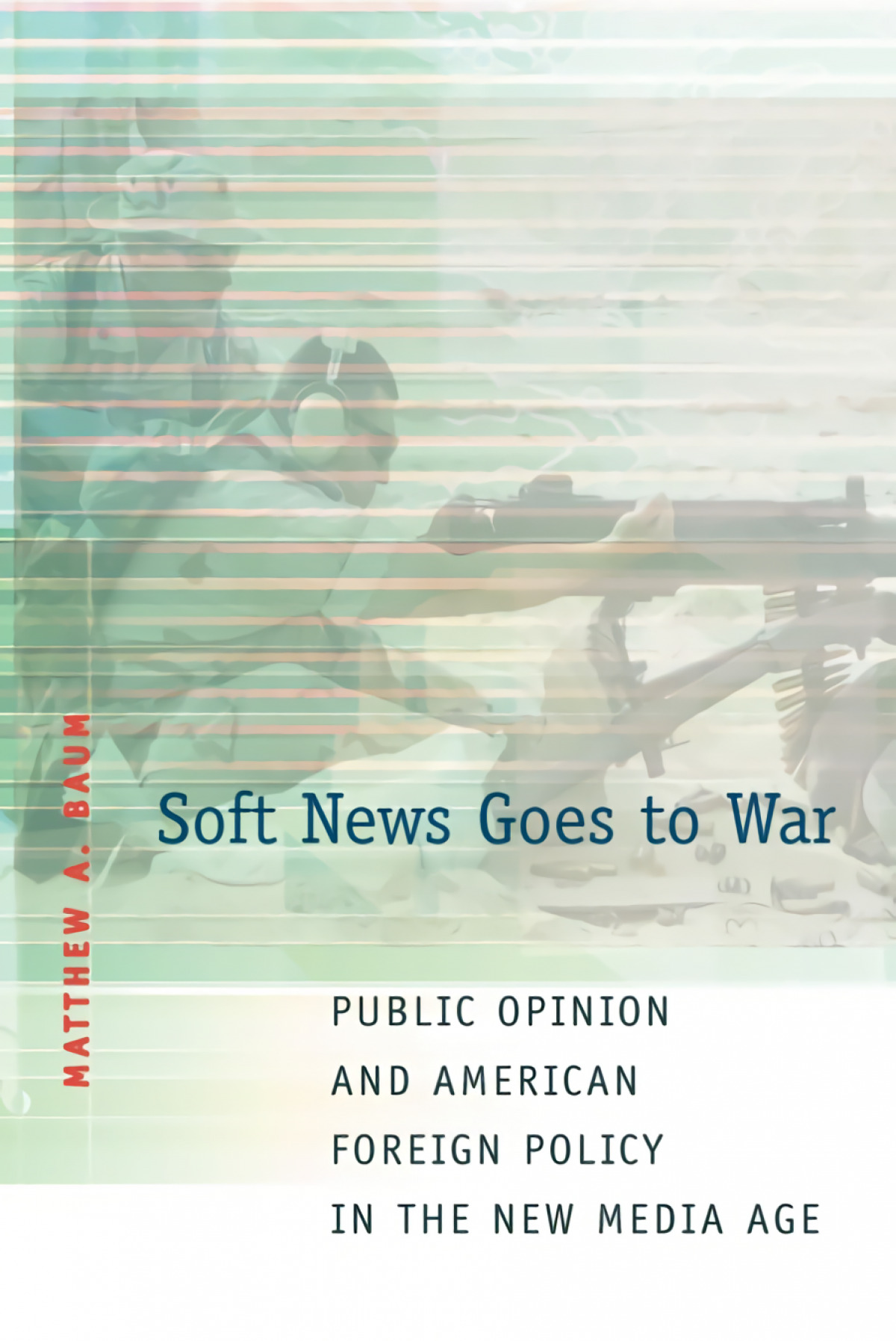
Sinopsi Soft News Goes to War
The American public has consistently declared itself less concerned with foreign affairs in the post-Cold War era, even after 9/11, than at any time since World War II. How can it be, then, that public attentiveness to U.S. foreign policy crises has increased? This book represents the first systematic attempt to explain this apparent paradox. Matthew Baum argues that the answer lies in changes to television's presentation of political information. In so doing he develops a compelling 'byproduct' theory of information consumption. The information revolution has fundamentally changed the way the mass media, especially television, covers foreign policy. Traditional news has been repackaged into numerous entertainment-oriented news programs and talk shows. By transforming political issues involving scandal or violence (especially attacks against America) into entertainment, the 'soft news' media have actually captured more viewers who will now follow news about foreign crises, due to its entertainment value, even if they remain uninterested in foreign policy. Baum rigorously tests his theory through content analyses of traditional and soft news media coverage of various post-WWII U.S. foreign crises and statistical analyses of public opinion surveys. The results hold key implications for the future of American politics and foreign policy. For instance, watching soft news reinforces isolationism among many inattentive Americans. Scholars, political analysts, and even politicians have tended to ignore the soft news media and politically disengaged citizens. But, as this well-written book cogently demonstrates, soft news viewers represent a largely untapped reservoir of unusually persuadable voters.
EAN
9780691123776
Editorial
Any d'edició
2005
Pàgines
368
Idioma
Anglès
Col·lecció
.
Alt
234
Ample
156
56.42 €
- 5 % DTE
53.60 €
En stock
IMPRESSIÓ SOTA DEMANDA