https://www.imosver.com/en/ebooks/edvard-munch-E0002666473E0002666473EDVARD MUNCH4.93Edvard Munch, nacido en 1863, fue el artista más popular de Noruega. Sus pinturas de aspecto meditabundo y angustioso están basadas en su propia pena y obsesiones, y fueron piezas clave en el desarrolhttps://www.aglutinaeditores.com/media/resources/public/cf/cf58/cf584eaa9da94f67ad68db6d2d9b5170.jpgEbookEbook/ARQUITECTURAEn stockPARKSTONE INTERNATIONAL000https://www.aglutinaeditores.com/media/resources/public/cf/cf58/cf584eaa9da94f67ad68db6d2d9b5170.jpgALO00644185.1950.262019/07/159781644617441PATRICK BADEEbookaño_2019idioma_SpanishCautor_PATRICK BADE
Artículo
EDVARD MUNCH
PATRICK BADE
PARKSTONE INTERNATIONAL
ARQUITECTURA
Cookie notice
We use cookies to ensure you get the best experience on our site
Read cookie policy.
Manage cookie preferences
This type of cookie allows the user to browse a website, platform, or application and to use the different options or services that exist on it.
imosver_session
Description
Essential first-party cookie. It keeps your session identified while you browse: your basket, your language and access to your account. The website cannot work without it.
Duration
120 minutes
Facilities
Domain
imosver.com
OCT8NE
Description
This cookie is used for the proper functioning of the Oct8ne Chat to provide customer support service to the user.
These are those that enable the tracking and analysis of user behavior on our website. The information collected is used to measure user activity on the website and to create user browsing profiles.
_clsk
Description
Microsoft Clarity first-party cookie. It groups the pages you visit into a single session in order to analyse your journey through the website.
Duration
1 days
Facilities
Domain
imosver.com
logglytrackingsession
Description
Identifies and records the user session for analytical purposes.
Duration
Session
Facilities
Domain
.imosver.com
GOOGLE_ANALYTICS
Description
Records a unique identifier that is used to generate statistical data about how the visitor uses the website.
Duration
1 Year
Facilities
Domain
.imosver.com
_clck
Description
Microsoft Clarity first-party cookie. It stores an anonymous browser identifier so that visits to this website can be attributed to the same user and usage statistics can be produced.
Duration
1 Year
Facilities
Domain
imosver.com
CLID
Description
Microsoft Clarity third-party cookie. It identifies the first time Clarity detects this browser on any website using the service.
Duration
1 Year
Facilities
Domain
clarity.ms
_ga
Description
Google Analytics cookie. It stores an anonymous browser identifier in order to distinguish users and produce website usage statistics.
Duration
2 Year
Facilities
Domain
.imosver.com
_ga_LZR660YW0M
Description
Google Analytics 4 cookie. It keeps the analytics session state so that visits and the journey through the website can be measured.
Duration
2 Year
Facilities
Domain
.imosver.com
These are the ones that allow us to adapt the navigation on our website to your preferences (e.g., language, browser used, etc.).
_fbp
Description
Used by Facebook to offer a series of advertising products, such as real-time bids from third-party advertisers.
Duration
3 Month
Facilities
Domain
.imosver.com
afiliado
Description
First-party affiliate programme cookie. It stores for 30 days the code of the affiliate that brought you to the website, so that the sale can be attributed to them.
Duration
1 Month
Facilities
Domain
imosver.com
MUID
Description
Microsoft third-party cookie. It identifies unique browsers visiting Microsoft sites and is used for advertising, analytics and other operational purposes.
Duration
1 Year
Facilities
Domain
clarity.ms
ANONCHK
Description
Microsoft third-party cookie. It indicates whether the MUID identifier is transferred to ANID, a cookie used for advertising purposes.
Duration
10 minutes
Facilities
Domain
clarity.ms
MR
Description
Microsoft third-party cookie. It indicates whether the MUID identifier must be refreshed.
Duration
7 days
Facilities
Domain
clarity.ms
SM
Description
Microsoft third-party cookie. It synchronises the MUID identifier across Microsoft domains.
Duration
Session
Facilities
Domain
clarity.ms
_fbc
Description
Meta cookie. It stores the identifier of the Facebook or Instagram advert you arrived from, in order to attribute the visit to that advertising campaign.
Duration
3 Month
Facilities
Domain
.imosver.com
_gcl_au
Description
Google Ads cookie. It records a visit coming from an advert so that advertising campaign conversions can be measured.
Duration
3 Month
Facilities
Domain
.imosver.com
_uetsid
Description
Microsoft Advertising cookie. It identifies your browsing session in order to measure conversions from Bing advertising campaigns.
Duration
1 days
Facilities
Domain
.imosver.com
_uetvid
Description
Microsoft Advertising cookie. It identifies your browser across visits in order to measure conversions from Bing advertising campaigns.
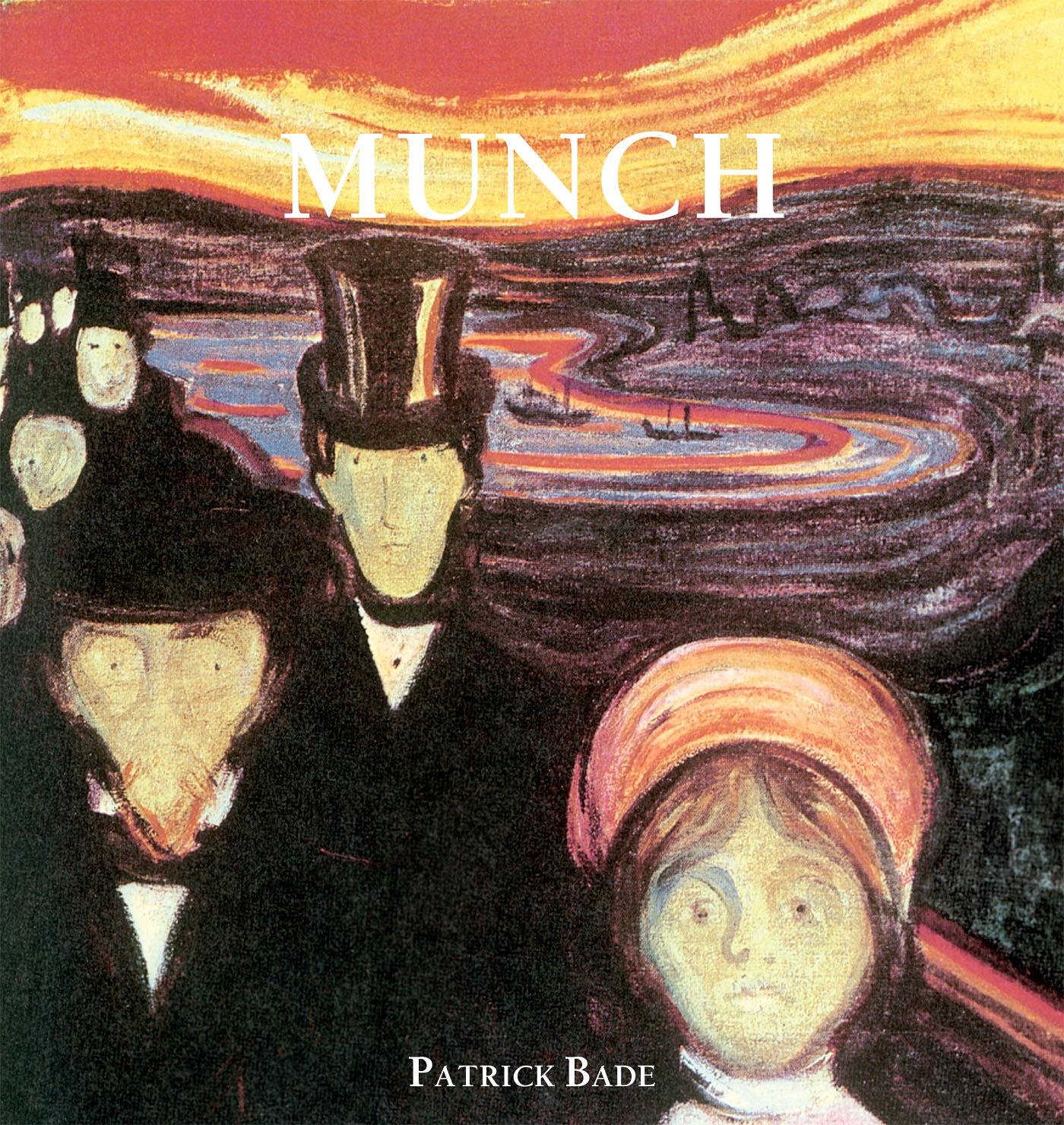
Edvard Munch, nacido en 1863, fue el artista más popular de Noruega. Sus pinturas de aspecto meditabundo y angustioso están basadas en su propia pena y obsesiones, y fueron piezas clave en el desarrollo del expresionismo. Durante su niñez, la muerte de su madre, su hermano y hermana, así como la enfermedad mental de otra de sus hermanas, tuvieron una fuerte influencia sobre su arte convulso y tortuoso. En sus obras, Munch rondaba con insistencia el recuerdo de la enfermedad, la muerte y la desdicha. Durante su carrera, Munch cambió de estilo varias veces. Al principio, por influencia del impresionismo y post-impresionismo, produjo un estilo y contenido muy personal, cada vez más preocupado con imágenes de enfermedad y muerte. En los años cercanos a 1892, su estilo derivó hacia el sintetismo, como puede apreciarse en El grito (1893), obra que se considera como un icono y el retrato de la angustia existencial y espiritual de la humanidad moderna. De este cuadro pintó diferentes versiones. Durante la década de 1890, Munch favoreció un espacio pictórico ligero y lo empleó en sus retratos, que con frecuencia eran de frente. Sus obras solían incluir representaciones simbolistas de temas como la miseria, la enfermedad y la muerte. Las poses de sus modelos en muchos de los retratos captaban el estado de ánimo y la condición psicológica. Todo esto da también una cualidad monumental y estática a sus pinturas. En 1892, el Sindicato de Artistas de Berlín lo invitó a que exhibiera en su exposición de noviembre. Sus pinturas causaron amarga controversia y después de apenas una semana, la exposición cerró. En las décadas de 1930 y 1940, los nazis etiquetaron su obra como “arte degenerado” y retiraron sus pinturas de los museos alemanes. Esto hirió profundamente a Munch, que era antifascista y que había llegado a considerar Alemania como su patria adoptiva. En 1908 Munch sufrió un ataque de ansiedad aguda y fue hospitalizado. Volvió a Noruega en 1909 y murió en Oslo en 1944.