https://www.imosver.com/en/libros/el-libro-de-los-hombres-lobo-30900400273090040027El libro de los hombres lobo16.06Sabine Baring-Gould, teólogo, arqueólogo, coleccionista y recopilador de canciones populares, poeta, novelista, historiador, hagiógrafo y anticuario, nació en 1834 en Exeter, Inglaterra. Tras estudiarhttps://static.imosver.com/imagenes_small/9788477/978847702485.jpgLibrosLibros/NARRATIVASin stockVALDEMAR000https://static.imosver.com/imagenes_small/9788477/978847702485.jpgMAC000718616.950.842011/09/239788477024859Baring-Gould, SabineLibrosaño_2011idioma_SpanishCformato_Tapa duraautor_Baring-Gould, Sabinesaga_GOTICA
Artículo
El libro de los hombres l
Baring-Gould Sabine
VALDEMAR
NARRATIVA
Cookie notice
We use cookies to ensure you get the best experience on our site
Read cookie policy.
Manage cookie preferences
This type of cookie allows the user to browse a website, platform, or application and to use the different options or services that exist on it.
imosver_session
Description
Essential first-party cookie. It keeps your session identified while you browse: your basket, your language and access to your account. The website cannot work without it.
Duration
120 minutes
Facilities
Domain
imosver.com
OCT8NE
Description
This cookie is used for the proper functioning of the Oct8ne Chat to provide customer support service to the user.
These are those that enable the tracking and analysis of user behavior on our website. The information collected is used to measure user activity on the website and to create user browsing profiles.
_clsk
Description
Microsoft Clarity first-party cookie. It groups the pages you visit into a single session in order to analyse your journey through the website.
Duration
1 days
Facilities
Domain
imosver.com
logglytrackingsession
Description
Identifies and records the user session for analytical purposes.
Duration
Session
Facilities
Domain
.imosver.com
GOOGLE_ANALYTICS
Description
Records a unique identifier that is used to generate statistical data about how the visitor uses the website.
Duration
1 Year
Facilities
Domain
.imosver.com
_clck
Description
Microsoft Clarity first-party cookie. It stores an anonymous browser identifier so that visits to this website can be attributed to the same user and usage statistics can be produced.
Duration
1 Year
Facilities
Domain
imosver.com
CLID
Description
Microsoft Clarity third-party cookie. It identifies the first time Clarity detects this browser on any website using the service.
Duration
1 Year
Facilities
Domain
clarity.ms
_ga
Description
Google Analytics cookie. It stores an anonymous browser identifier in order to distinguish users and produce website usage statistics.
Duration
2 Year
Facilities
Domain
.imosver.com
_ga_LZR660YW0M
Description
Google Analytics 4 cookie. It keeps the analytics session state so that visits and the journey through the website can be measured.
Duration
2 Year
Facilities
Domain
.imosver.com
These are the ones that allow us to adapt the navigation on our website to your preferences (e.g., language, browser used, etc.).
_fbp
Description
Used by Facebook to offer a series of advertising products, such as real-time bids from third-party advertisers.
Duration
3 Month
Facilities
Domain
.imosver.com
afiliado
Description
First-party affiliate programme cookie. It stores for 30 days the code of the affiliate that brought you to the website, so that the sale can be attributed to them.
Duration
1 Month
Facilities
Domain
imosver.com
MUID
Description
Microsoft third-party cookie. It identifies unique browsers visiting Microsoft sites and is used for advertising, analytics and other operational purposes.
Duration
1 Year
Facilities
Domain
clarity.ms
ANONCHK
Description
Microsoft third-party cookie. It indicates whether the MUID identifier is transferred to ANID, a cookie used for advertising purposes.
Duration
10 minutes
Facilities
Domain
clarity.ms
MR
Description
Microsoft third-party cookie. It indicates whether the MUID identifier must be refreshed.
Duration
7 days
Facilities
Domain
clarity.ms
SM
Description
Microsoft third-party cookie. It synchronises the MUID identifier across Microsoft domains.
Duration
Session
Facilities
Domain
clarity.ms
_fbc
Description
Meta cookie. It stores the identifier of the Facebook or Instagram advert you arrived from, in order to attribute the visit to that advertising campaign.
Duration
3 Month
Facilities
Domain
.imosver.com
_gcl_au
Description
Google Ads cookie. It records a visit coming from an advert so that advertising campaign conversions can be measured.
Duration
3 Month
Facilities
Domain
.imosver.com
_uetsid
Description
Microsoft Advertising cookie. It identifies your browsing session in order to measure conversions from Bing advertising campaigns.
Duration
1 days
Facilities
Domain
.imosver.com
_uetvid
Description
Microsoft Advertising cookie. It identifies your browser across visits in order to measure conversions from Bing advertising campaigns.
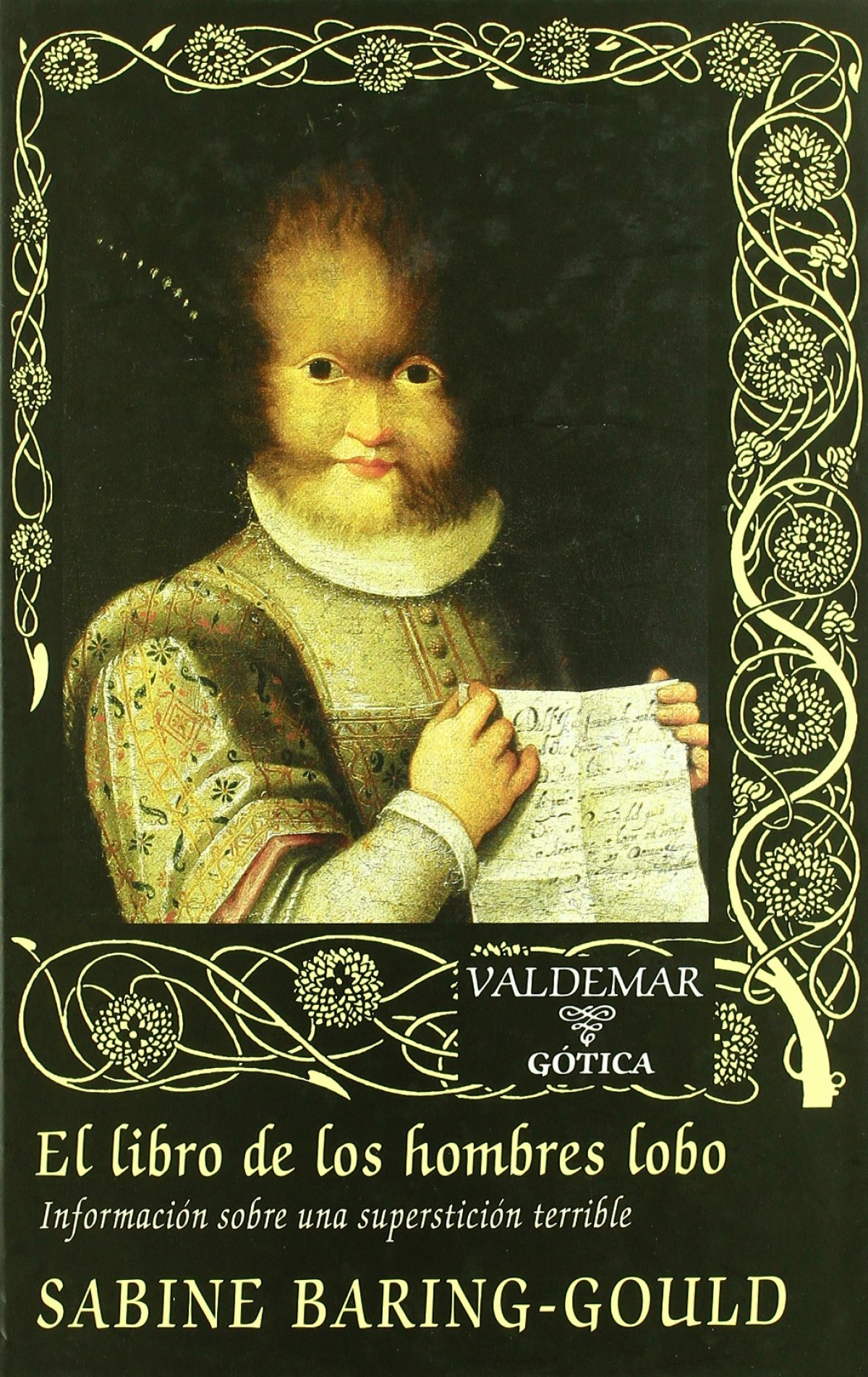
Sabine Baring-Gould, teólogo, arqueólogo, coleccionista y recopilador de canciones populares, poeta, novelista, historiador, hagiógrafo y anticuario, nació en 1834 en Exeter, Inglaterra. Tras estudiar la carrera eclesiástica, Baring-Gould fue destinado como pastor de almas a Horbury (Yorkshire), donde conoció a Grace Taylor, una atractiva muchacha, humilde y sin cultura, con la que se casaría y tendría quince hijos. A la muerte de Grace, Baring-Gould se traslada a Devon, una aldea en la que se entregó de lleno a la escritura, llegando a producir una asombrosa cantidad de libros, panfletos y artículos, entre los que destacan dos novelas: The Vicar of Morwenstow (1875) y Mehalah: a Story of the Salt Marshes (1880), así como veintitrés cuentos de fantasmas, género al que era aficionado. En este completo estudio de la licantropía a través de los tiempos, el erudito inglés ha sabido combinar felizmente la atracción por lo fantástico con la fría racionalidad del científico, de ahí que no desdeñe narrar, con un mimo por el detalle digno de elogio, numerosos relatos sobre licántropos con el fin de ilustrar su disertación. Fue en la Europa del siglo XVI donde la maldición del hombre-lobo adquirió tintes de auténtica epidemia: entre 1520 y 1630 fueron denunciados treinta mil casos de licantropía a las autoridades seculares o eclesiásticas. En los siglos transcurridos desde entonces, las explicaciones de la licantropía han sido muy variadas, desde las drogas alucinógenas a la posesión diabólica... La publicación en castellano de El libro de los hombres-lobo (1865) va dirigida no sólo a los aficionados a la más genuina literatura de terror, sino también a los estudiosos de la historia fantástica de Europa, a los amantes del folclore más tenebroso e inquietante, de la antropología, la mitología, e incluso a los criminólogos y sociólogos.