https://www.imosver.com/en/libros/la-guerra-de-las-salamandras-LMA0010783LMA0010783La guerra de las salamandras17.01La guerra de las salamandras es una novela satírica de ciencia ficción del periodista y escritor checo Karel Capek, publicada en 1936 en Praga. En esta novela Capek narra mediante múltiples personajeshttps://static.imosver.com/imagenes_small/9788490/978849074987.jpgLibrosLibros/MITOS, LEYENDAS Y SAGASEn stockIBD PODIPRINT000https://static.imosver.com/imagenes_small/9788490/978849074987.jpgCIM0047525ALO007686617.950.892020/07/079788490749876APEK, KAREL ELibrosaño_2020idioma_SpanishCformato_Tapa blanda o Bolsilloautor_APEK, KAREL Esaga_.
Artículo
La guerra de las salamand
APEK KAREL E
IBD PODIPRINT
MITOS, LEYENDAS Y SAGAS
Cookie notice
We use cookies to ensure you get the best experience on our site
Read cookie policy.
Manage cookie preferences
This type of cookie allows the user to browse a website, platform, or application and to use the different options or services that exist on it.
imosver_session
Description
Essential first-party cookie. It keeps your session identified while you browse: your basket, your language and access to your account. The website cannot work without it.
Duration
120 minutes
Facilities
Domain
imosver.com
OCT8NE
Description
This cookie is used for the proper functioning of the Oct8ne Chat to provide customer support service to the user.
These are those that enable the tracking and analysis of user behavior on our website. The information collected is used to measure user activity on the website and to create user browsing profiles.
_clsk
Description
Microsoft Clarity first-party cookie. It groups the pages you visit into a single session in order to analyse your journey through the website.
Duration
1 days
Facilities
Domain
imosver.com
logglytrackingsession
Description
Identifies and records the user session for analytical purposes.
Duration
Session
Facilities
Domain
.imosver.com
GOOGLE_ANALYTICS
Description
Records a unique identifier that is used to generate statistical data about how the visitor uses the website.
Duration
1 Year
Facilities
Domain
.imosver.com
_clck
Description
Microsoft Clarity first-party cookie. It stores an anonymous browser identifier so that visits to this website can be attributed to the same user and usage statistics can be produced.
Duration
1 Year
Facilities
Domain
imosver.com
CLID
Description
Microsoft Clarity third-party cookie. It identifies the first time Clarity detects this browser on any website using the service.
Duration
1 Year
Facilities
Domain
clarity.ms
_ga
Description
Google Analytics cookie. It stores an anonymous browser identifier in order to distinguish users and produce website usage statistics.
Duration
2 Year
Facilities
Domain
.imosver.com
_ga_LZR660YW0M
Description
Google Analytics 4 cookie. It keeps the analytics session state so that visits and the journey through the website can be measured.
Duration
2 Year
Facilities
Domain
.imosver.com
These are the ones that allow us to adapt the navigation on our website to your preferences (e.g., language, browser used, etc.).
_fbp
Description
Used by Facebook to offer a series of advertising products, such as real-time bids from third-party advertisers.
Duration
3 Month
Facilities
Domain
.imosver.com
afiliado
Description
First-party affiliate programme cookie. It stores for 30 days the code of the affiliate that brought you to the website, so that the sale can be attributed to them.
Duration
1 Month
Facilities
Domain
imosver.com
MUID
Description
Microsoft third-party cookie. It identifies unique browsers visiting Microsoft sites and is used for advertising, analytics and other operational purposes.
Duration
1 Year
Facilities
Domain
clarity.ms
ANONCHK
Description
Microsoft third-party cookie. It indicates whether the MUID identifier is transferred to ANID, a cookie used for advertising purposes.
Duration
10 minutes
Facilities
Domain
clarity.ms
MR
Description
Microsoft third-party cookie. It indicates whether the MUID identifier must be refreshed.
Duration
7 days
Facilities
Domain
clarity.ms
SM
Description
Microsoft third-party cookie. It synchronises the MUID identifier across Microsoft domains.
Duration
Session
Facilities
Domain
clarity.ms
_fbc
Description
Meta cookie. It stores the identifier of the Facebook or Instagram advert you arrived from, in order to attribute the visit to that advertising campaign.
Duration
3 Month
Facilities
Domain
.imosver.com
_gcl_au
Description
Google Ads cookie. It records a visit coming from an advert so that advertising campaign conversions can be measured.
Duration
3 Month
Facilities
Domain
.imosver.com
_uetsid
Description
Microsoft Advertising cookie. It identifies your browsing session in order to measure conversions from Bing advertising campaigns.
Duration
1 days
Facilities
Domain
.imosver.com
_uetvid
Description
Microsoft Advertising cookie. It identifies your browser across visits in order to measure conversions from Bing advertising campaigns.
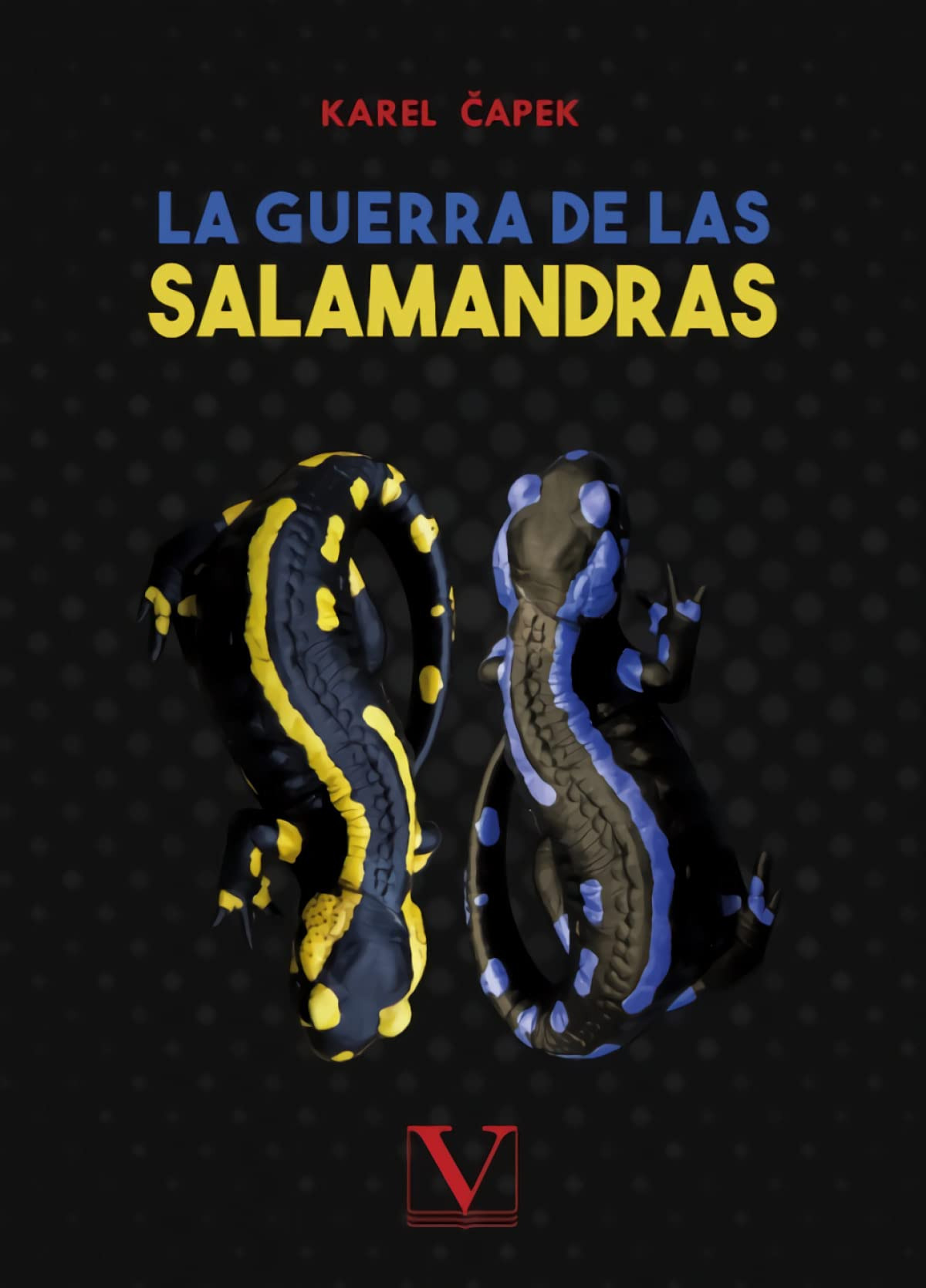
La guerra de las salamandras es una novela satírica de ciencia ficción del periodista y escritor checo Karel Capek, publicada en 1936 en Praga. En esta novela Capek narra mediante múltiples personajes los sucesos que preceden el descubrimiento de las salamandras gigantes identificadas por los científicos como Andrias Scheuchzeri, deteniéndose en la reacción de la prensa, en las respuestas que intenta la comunidad científica y en la oportunidad que ven los empresarios para utilizarlas como mano de obra barata. Así, empiezan a surgir similitudes con el colonialismo, el comercio de esclavos, la explotación laboral, la producción capitalista, el fascismo y el nacionalismo que, al estar representados por salamandras inteligentes en un orden mundial muy similar al real, adquieren un sentido irónico y satírico por los acontecimientos, a todas luces lógicos, que transcurren en consecuencia. Las salamandras son unos animales pacíficos cuyas habilidades cautivan a una humanidad que cabalga a lomos del progreso tecnológico desbocado de la entreguerra. La industria es la primera en aprovechar su enorme potencial, poco después, los gobiernos de las potencias europeas las utilizan para impulsar la industria, expandir territorios y modernizar los ejércitos. Les suministran herramientas, conocimientos, armas y un futuro del que ellas tomarán las riendas para sus propios fines.