English
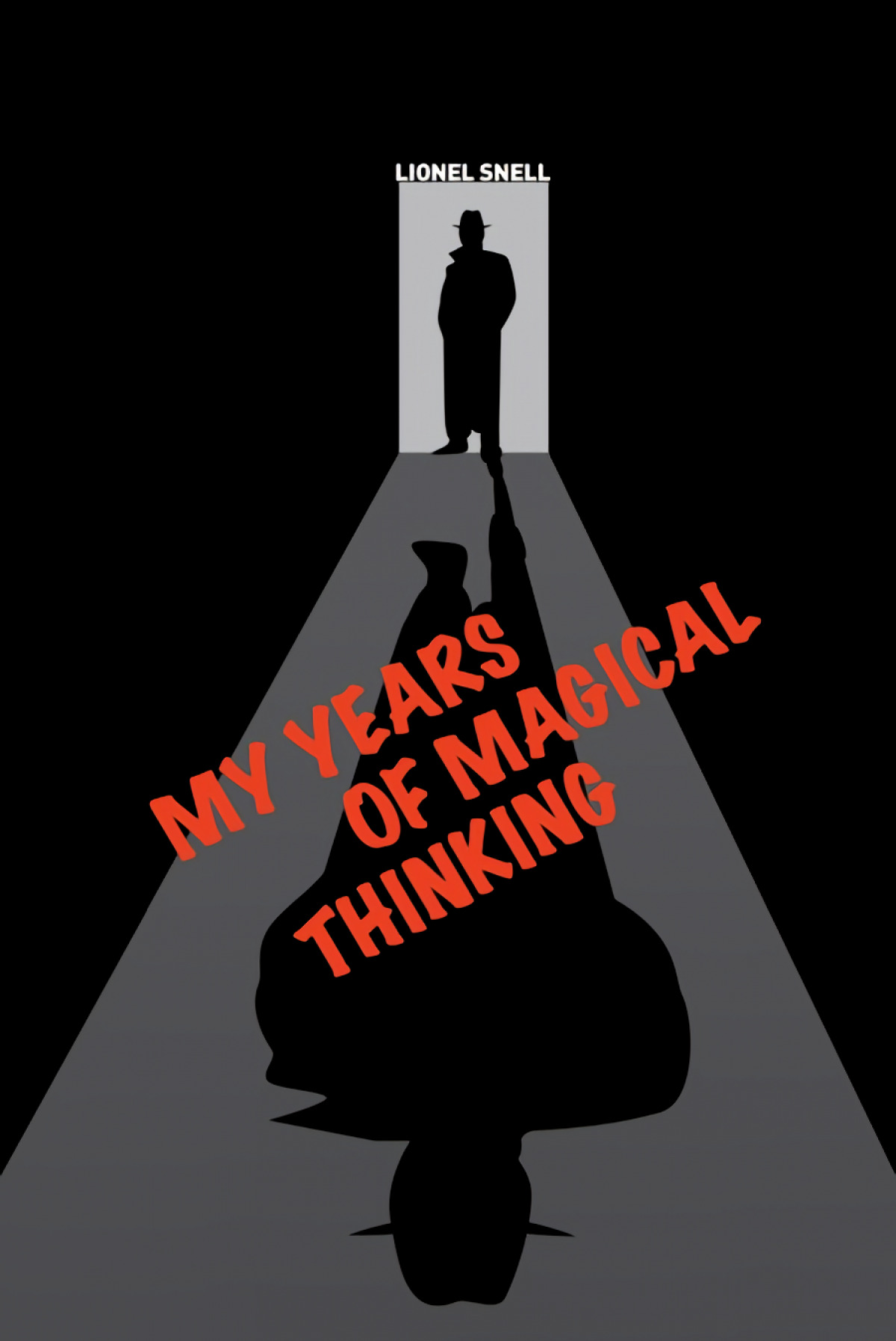
Synopsis My Years of Magical Thinking
Understand magical thinking, and you will understand why the 20th century age of reason has lead us to a "post-truth" society.We are taught toádeny, demonise or even glamorise magic &ndash, rather than ever admit to thinkingámagically. But it is every bit as fundamental to human nature as science, religion or art.Faced with the growing popularity of alternative healing, astrology and the New Age, people ask: &ldquo,whatever happened to the Enlightenment?&rdquo,áThey assumeáthat "The Enlightenment" marked a break with a superstitious past, it was a forward leap for humanity after which any return to magical thinking would be regressive, or even impossible. It was a forward step, but it began by looking back two millennia to the Classical era, and re-discovering the foundations on which to build a culture ofáscience and humanism that is considered to be the high point in human achievement.The classical era was itself a high point in human culture, but it only spanned five centuries. The following,áRoman, era saw a resurgence of magical thinking and laid the foundationsáfor alchemy, astrology, alternative healing, and much of today&rsquo,s magical ideas and practices. Pontius Pilate famously asked &ldquo,what is truth?&rdquo, and two thousand years later postmodernist philosophers are raising similar questions.áIs the revival of magical thinking just a natural evolution of thought,áto be expected after five centuries of rationalism?The author was brought up in the materialist 1950s and educated in that sceptical Enlightenment tradition to become a Cambridge mathematics graduate. Despite that, he became increasingly interested in magic and the occult and is now recognised as an authority on the subject. So how is it possible to shift from our knowledge of scientific reality to an acceptance of magic? The book describes the author&rsquo,s own subjective experience of how that evolved over his lifetime.Parts One and Two outline some of the important influences on his thinking and Parts Three and Four expand on CP Snow&rsquo,s idea of two cultures (Art and Science) to propose four cultures: Art, Science, Religion and Magic. Part Five looks at the conflicts and misunderstandings between cultures and reasons why magic gets a raw deal, or is simply denied as a culture.Part Six summarises the case and the Part Seven looks at contemporary trends and assumptions to show that the rise in magical thinking goes far deeper than just the visible popularity of astrology columns and alternative healing. A penultimate chapter provides practical suggestions for those willing to explore the value of magical thinking - or simply wanting to survive in a post-truth world.
EAN
9780904311242
Publisher
Year of edition
2017
pages
330
Idiom
English
Collection
.
High
300
Width
200
21.67 €
- 5 % OFF
20.59 €
In stock
PRINT ON DEMAND