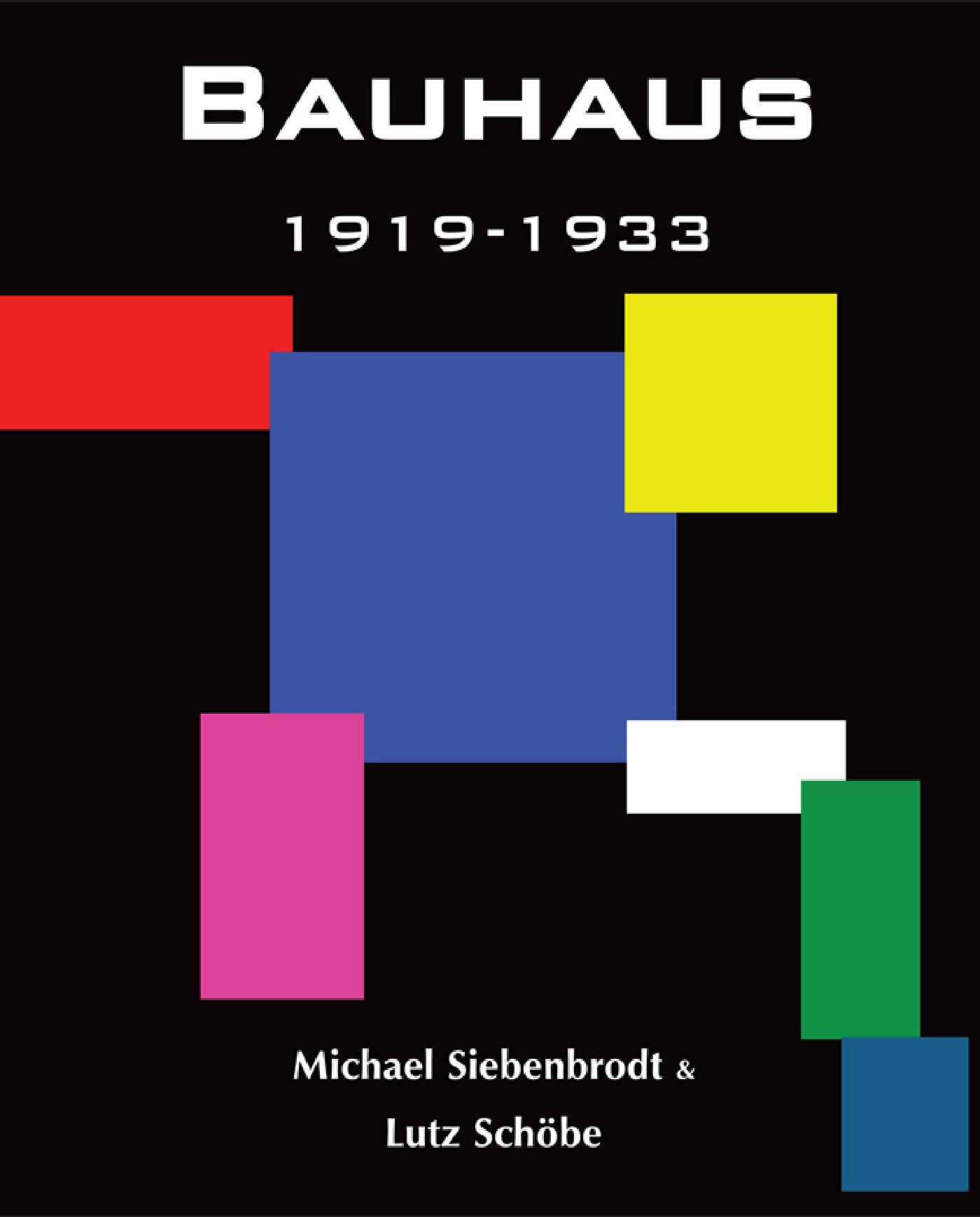
https://www.imosver.com/fr/ebooks/bauhaus-E0002743495E0002743495BAUHAUS15.29The Bauhaus movement (meaning the “house of building”) developed in three German cities - it began in Weimar between 1919 and 1925, then continued in Dessau, from 1925 to 1932, and finally ended in 19https://www.aglutinaeditores.com/media/resources/public/d8/d844/d844567f3e3241f4b0aa346e446e451d.jpgEbookEbook/ARQUITECTURADisponiblePARKSTONE INTERNATIONAL000https://www.aglutinaeditores.com/media/resources/public/d8/d844/d844567f3e3241f4b0aa346e446e451d.jpg16.0950.82015/09/159781783107056MICHAEL SIEBENBRODT;LUTZ SCHÖBEEbookaño_2015engautor_MICHAEL SIEBENBRODT;LUTZ SCHÖBE
Artículo
BAUHAUS
MICHAEL SIEBENBRODT;LUTZ
PARKSTONE INTERNATIONAL
DEPORTES, OCIO Y TIEMPO L
Avis sur les Cookies
Nous utilisons des cookies pour vous garantir la meilleure expérience sur notre site.
Lire la politique des cookies.
Gestionar preferencias de cookies
Ce type de cookies permet à l'utilisateur de naviguer sur un site web, une plateforme ou une application et d'utiliser les différentes options ou services qui y existent.
imosverlaravel_session
Description
Ce cookie est nécessaire au fonctionnement du site web et ne peut pas être désactivé dans nos systèmes.
Durée
Sesión
Dépendances
Domaine
imosver.com
OCT8NE
Description
Ce cookie est utilisé pour le bon fonctionnement du Chat Oct8ne afin de fournir le service d'assistance à la clientèle à l'utilisateur.
Ce sont celles qui permettent le suivi et l'analyse du comportement des utilisateurs sur notre site. Les informations collectées sont utilisées pour mesurer l'activité des utilisateurs sur le site web et pour élaborer des profils de navigation des utilisateurs.
_clsk
Description
Il enregistre des données statistiques sur le comportement des visiteurs sur le site web. Ceci est utilisé pour des analyses internes par l'opérateur du site.
Durée
1 année
Dépendances
_clsk,MUID,_clck
Domaine
logglytrackingsession
Description
Identifie et enregistre la session de l'utilisateur à des fins analytiques.
Durée
Sesión
Dépendances
Domaine
.imosver.com
GOOGLE_ANALYTICS
Description
Enregistre un identifiant unique qui est utilisé pour générer des données statistiques sur la façon dont le visiteur utilise le site web.
Durée
1 année
Dépendances
Domaine
.imosver.com
Ce sont celles qui nous permettent d'adapter la navigation sur notre site web à vos préférences (ex. : langue, navigateur utilisé, etc.).
_fbp
Description
Utilisé par Facebook pour proposer une série de produits publicitaires, tels que des offres en temps réel de publicitaires tiers.
The Bauhaus movement (meaning the “house of building”) developed in three German cities - it began in Weimar between 1919 and 1925, then continued in Dessau, from 1925 to 1932, and finally ended in 1932-1933 in Berlin. Three leaders presided over the growth of the movement: Walter Gropius, from 1919 to 1928, Hannes Meyer, from 1928 to 1930, and Ludwig Mies van der Rohe, from 1930 to 1933. Founded by Gropius in the rather conservative city of Weimar, the new capital of Germany, which had just been defeated by the other European nations in the First World War, the movement became a flamboyant response to this humiliation. Combining new styles in architecture, design, and painting, the Bauhaus aspired to be an expression of a generational utopia, striving to free artists facing a society that remained conservative in spite of the revolutionary efforts of the post-war period.
Using the most modern materials, the Bauhaus was born out of the precepts of William Morris and the Arts and Crafts movement, introducing new forms, inspired by the most ordinary of objects, into everyday life. The shuttering of the center in Berlin by the Nazis in 1933 did not put an end to the movement, since many of its members chose the path of exile and established themselves in the United States. Although they all went in different directions artistically, their work shared the same origin. The most influential among the Bauhaus artists were Anni Albers, Josef Albers, Marianne Brandt, Marcel Breuer, Lyonel Feininger, Ludwig Hilberseimer, Paul Klee, Wassily Kandisky, and Lothar Schreyer. Through a series of beautiful reproductions, this work provides an overview of the Bauhaus era, including the history, influence, and major figures of this revolutionary movement, which turned everyday life into art.