https://www.imosver.com/fr/ebooks/edouard-manet-and-artworks-E0002744983E0002744983ÉDOUARD MANET AND ARTWORKS12.61Manet is one of the most famous artists from the second half of the nineteenth century linked to the impressionists, although he was not really one of them. He had great influence on French painting phttps://www.aglutinaeditores.com/media/resources/public/81/818f/818f61f65d524235acfce8e5f07ed490.jpgEbookEbook/ARQUITECTURADisponiblePARKSTONE INTERNATIONAL000https://www.aglutinaeditores.com/media/resources/public/81/818f/818f61f65d524235acfce8e5f07ed490.jpg13.2750.662023/11/149781781608241NATALIA BRODSKAYA;NATALIA BRODSKAYAEbookaño_2023engautor_NATALIA BRODSKAYA;NATALIA BRODSKAYA
Artículo
ÉDOUARD MANET AND ARTWORK
NATALIA BRODSKAYA;NATALI
PARKSTONE INTERNATIONAL
PINTURA, ESCULTURA, DANZA
Avis sur les Cookies
Nous utilisons des cookies pour vous garantir la meilleure expérience sur notre site.
Lire la politique des cookies.
Gestionar preferencias de cookies
Ce type de cookies permet à l'utilisateur de naviguer sur un site web, une plateforme ou une application et d'utiliser les différentes options ou services qui y existent.
imosverlaravel_session
Description
Ce cookie est nécessaire au fonctionnement du site web et ne peut pas être désactivé dans nos systèmes.
Durée
Sesión
Dépendances
Domaine
imosver.com
OCT8NE
Description
Ce cookie est utilisé pour le bon fonctionnement du Chat Oct8ne afin de fournir le service d'assistance à la clientèle à l'utilisateur.
Ce sont celles qui permettent le suivi et l'analyse du comportement des utilisateurs sur notre site. Les informations collectées sont utilisées pour mesurer l'activité des utilisateurs sur le site web et pour élaborer des profils de navigation des utilisateurs.
_clsk
Description
Il enregistre des données statistiques sur le comportement des visiteurs sur le site web. Ceci est utilisé pour des analyses internes par l'opérateur du site.
Durée
1 année
Dépendances
_clsk,MUID,_clck
Domaine
logglytrackingsession
Description
Identifie et enregistre la session de l'utilisateur à des fins analytiques.
Durée
Sesión
Dépendances
Domaine
.imosver.com
GOOGLE_ANALYTICS
Description
Enregistre un identifiant unique qui est utilisé pour générer des données statistiques sur la façon dont le visiteur utilise le site web.
Durée
1 année
Dépendances
Domaine
.imosver.com
Ce sont celles qui nous permettent d'adapter la navigation sur notre site web à vos préférences (ex. : langue, navigateur utilisé, etc.).
_fbp
Description
Utilisé par Facebook pour proposer une série de produits publicitaires, tels que des offres en temps réel de publicitaires tiers.
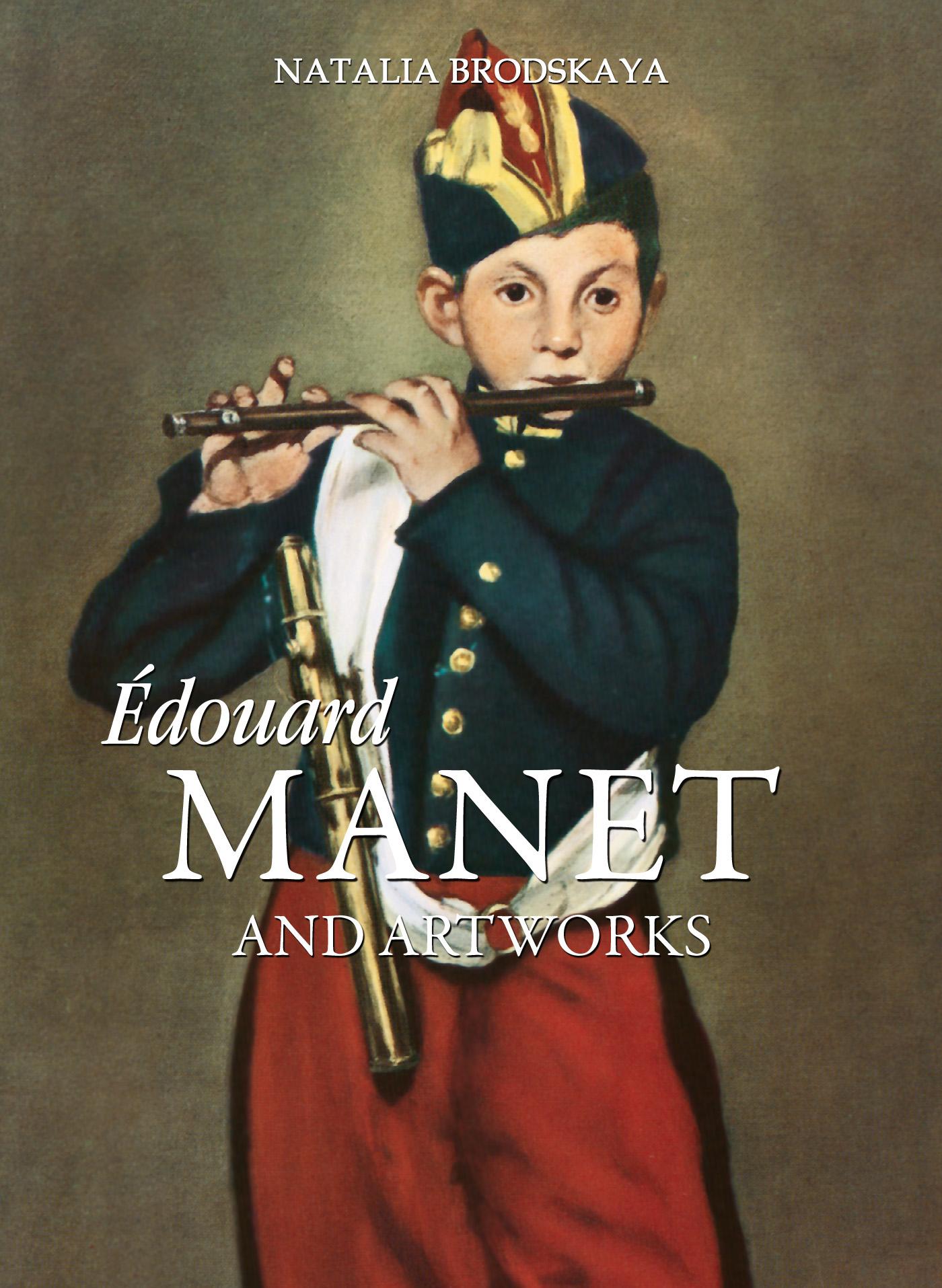
Manet is one of the most famous artists from the second half of the nineteenth century linked to the impressionists, although he was not really one of them. He had great influence on French painting partly because of the choice he made for his subjects from everyday life, the use of pure colours, and his fast and free technique. He made, in his own work, the transition between Courbet’s Realism and the work of the impressionists.
Born a high bourgeois, he chose to become a painter after failing the entry to the Marine School. He studied with Thomas Couture, an Academic painter, but it was thanks to the numerous travels he made around Europe from 1852 that he started to find out what would become his own style.
His first paintings were mostly portraits and genre scenes, inspired by his love for Spanish masters like Velázquez and Goya. In 1863 he presented his masterpiece Luncheon on the Grass at the Salon des Refusés. His work started a fight between the defenders of Academic art and the young “refusés” artists. Manet became the leader of this new generation of artists.
From 1864, the official Salon accepted his paintings, still provoking loud protests over works such as Olympia in 1865. In 1866, the writer Zolá wrote an article defending Manet’s work. At that time, Manet was friends with all the future great impressionist masters: Edgar Degas, Claude Monet, Auguste Renoir, Alfred Sisley, Camille Pissarro and Paul Cézanne, and he influenced their work, even though he cannot strictly be counted as one of them. In 1874 indeed, he refused to present his paintings in the First Impressionist Exhibition. His last appearance in the official Salon was in 1882 with A Bar at the Folies-Bergère, one of his most famous works. Suffering from gangrene during the year 1883, he painted flower still-lifes until he became too weak to work. He died leaving behind a great number of drawings and paintings.