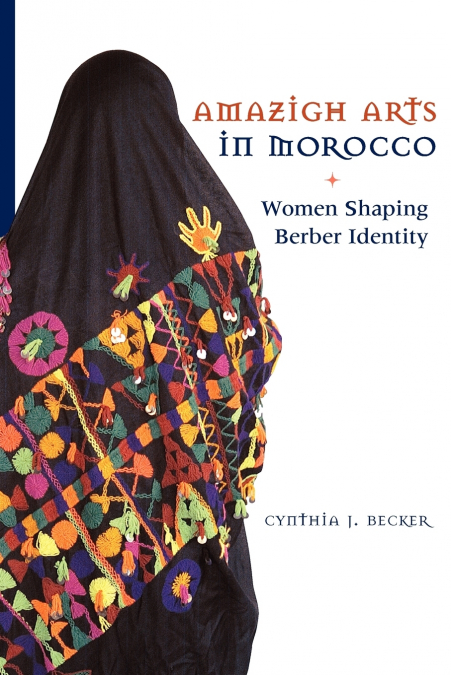
https://www.imosver.com/fr/libros/amazigh-arts-in-morocco-00104379820010437982Amazigh Arts in Morocco31.97In southeastern Morocco, around the oasis of Tafilalet, the Ait Khabbash people weave brightly colored carpets, embroider indigo head coverings, paint their faces with saffron, and wear ornate jewelryhttps://static.serlogal.com/imagenes_small/9780292/978029272137.jpgLibrosLibros/HISTORIAEn stockIBD PODIPRINT000https://static.serlogal.com/imagenes_small/9780292/978029272137.jpg33.6551.682006/07/019780292721371Cynthia BeckerLibrosaño_2006idioma_AnglaisIautor_Cynthia Beckersaga_.
Artículo
Amazigh Arts in Morocco
Cynthia Becker
IBD PODIPRINT
HISTORIA
Avis sur les Cookies
Nous utilisons des cookies pour vous garantir la meilleure expérience sur notre site.
Lire la politique des cookies.
Gestionar preferencias de cookies
Ce type de cookies permet à l'utilisateur de naviguer sur un site web, une plateforme ou une application et d'utiliser les différentes options ou services qui y existent.
imosverlaravel_session
Description
Ce cookie est nécessaire au fonctionnement du site web et ne peut pas être désactivé dans nos systèmes.
Durée
Sesión
Dépendances
Domaine
imosver.com
OCT8NE
Description
Ce cookie est utilisé pour le bon fonctionnement du Chat Oct8ne afin de fournir le service d'assistance à la clientèle à l'utilisateur.
Ce sont celles qui permettent le suivi et l'analyse du comportement des utilisateurs sur notre site. Les informations collectées sont utilisées pour mesurer l'activité des utilisateurs sur le site web et pour élaborer des profils de navigation des utilisateurs.
_clsk
Description
Il enregistre des données statistiques sur le comportement des visiteurs sur le site web. Ceci est utilisé pour des analyses internes par l'opérateur du site.
Durée
1 année
Dépendances
_clsk,MUID,_clck
Domaine
logglytrackingsession
Description
Identifie et enregistre la session de l'utilisateur à des fins analytiques.
Durée
Sesión
Dépendances
Domaine
.imosver.com
GOOGLE_ANALYTICS
Description
Enregistre un identifiant unique qui est utilisé pour générer des données statistiques sur la façon dont le visiteur utilise le site web.
Durée
1 année
Dépendances
Domaine
.imosver.com
Ce sont celles qui nous permettent d'adapter la navigation sur notre site web à vos préférences (ex. : langue, navigateur utilisé, etc.).
_fbp
Description
Utilisé par Facebook pour proposer une série de produits publicitaires, tels que des offres en temps réel de publicitaires tiers.
In southeastern Morocco, around the oasis of Tafilalet, the Ait Khabbash people weave brightly colored carpets, embroider indigo head coverings, paint their faces with saffron, and wear ornate jewelry. Their extraordinarily detailed arts are rich in cultural symbolism, they are always breathtakingly beautiful-and they are typically made by women. Like other Amazigh (Berber) groups (but in contrast to the Arab societies of North Africa), the Ait Khabbash have entrusted their artistic responsibilities to women. Cynthia Becker spent years in Morocco living among these women and, through family connections and female fellowship, achieved unprecedented access to the artistic rituals of the Ait Khabbash. The result is more than a stunning examination of the arts themselves, it is also an illumination of women?s roles in Islamic North Africa and the many ways in which women negotiate complex social and religious issues.One of the reasons Amazigh women are artists is that the arts are expressions of ethnic identity, and it follows that the guardians of Amazigh identity ought to be those who literally ensure its continuation from generation to generation, the Amazigh women. Not surprisingly, the arts are visual expressions of womanhood, and fertility symbols are prevalent. Controlling the visual symbols of Amazigh identity has given these women power and prestige. Their clothing, tattoos, and jewelry are public identity statements, such public artistic expressions contrast with the stereotype that women in the Islamic world are secluded and veiled. But their role as public identity symbols can also be restrictive, and history (French colonialism, the subsequent rise of an Arab-dominated government in Morocco, and the recent emergence of a transnational Berber movement) has forced Ait Khabbash women to adapt their arts as their people adapt to the contemporary world. By framing Amazigh arts with historical and cultural context, Cynthia Becker allows the reader to see the full measure of these fascinating artworks.