https://www.imosver.com/fr/libros/message-00105255950010525595Message16.78Message is one of the greatest poems in the whole of Portuguese literature. It was also Fernando PessoaÆs only book written in Portuguese to be published during his lifetime. At the time of its releashttps://static.serlogal.com/imagenes_small/9789895/978989539462.jpgLibrosLibros/LECTURAS DE IDIOMASEn stockSHANTARIN000https://static.serlogal.com/imagenes_small/9789895/978989539462.jpg001052559417.6650.882023/07/019789895394623Fernando Pessoa/ Antonio Apolinário Lourenço Tradução: Martin Earl/ Ilustração: Fatinha RamosLibrosaño_2023PIautor_Fernando Pessoa/ Antonio Apolinário Lourenço Tradução: Martin Earl/ Ilustração: Fatinha Ramossaga_SIN COLECCION
Artículo
Message
Fernando Pessoa/ Antonio
SHANTARIN
LITERATURA
Avis sur les Cookies
Nous utilisons des cookies pour vous garantir la meilleure expérience sur notre site.
Lire la politique des cookies.
Gestionar preferencias de cookies
Ce type de cookies permet à l'utilisateur de naviguer sur un site web, une plateforme ou une application et d'utiliser les différentes options ou services qui y existent.
imosverlaravel_session
Description
Ce cookie est nécessaire au fonctionnement du site web et ne peut pas être désactivé dans nos systèmes.
Durée
Sesión
Dépendances
Domaine
imosver.com
OCT8NE
Description
Ce cookie est utilisé pour le bon fonctionnement du Chat Oct8ne afin de fournir le service d'assistance à la clientèle à l'utilisateur.
Ce sont celles qui permettent le suivi et l'analyse du comportement des utilisateurs sur notre site. Les informations collectées sont utilisées pour mesurer l'activité des utilisateurs sur le site web et pour élaborer des profils de navigation des utilisateurs.
_clsk
Description
Il enregistre des données statistiques sur le comportement des visiteurs sur le site web. Ceci est utilisé pour des analyses internes par l'opérateur du site.
Durée
1 année
Dépendances
_clsk,MUID,_clck
Domaine
logglytrackingsession
Description
Identifie et enregistre la session de l'utilisateur à des fins analytiques.
Durée
Sesión
Dépendances
Domaine
.imosver.com
GOOGLE_ANALYTICS
Description
Enregistre un identifiant unique qui est utilisé pour générer des données statistiques sur la façon dont le visiteur utilise le site web.
Durée
1 année
Dépendances
Domaine
.imosver.com
Ce sont celles qui nous permettent d'adapter la navigation sur notre site web à vos préférences (ex. : langue, navigateur utilisé, etc.).
_fbp
Description
Utilisé par Facebook pour proposer une série de produits publicitaires, tels que des offres en temps réel de publicitaires tiers.
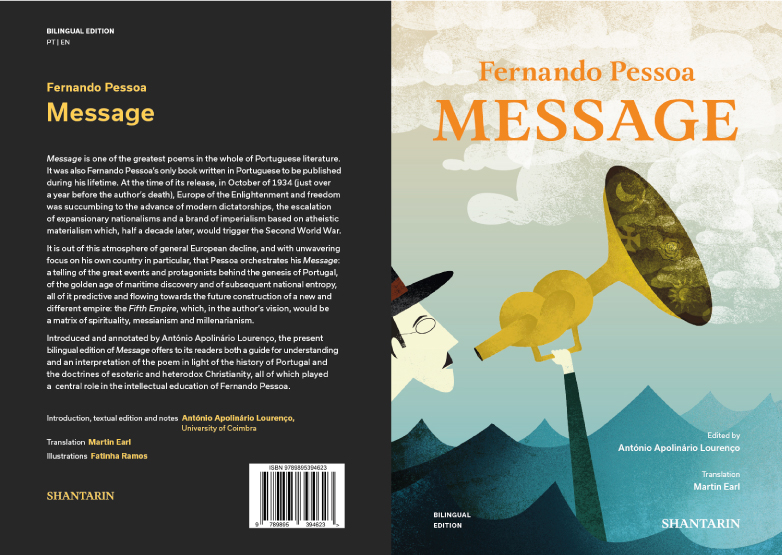
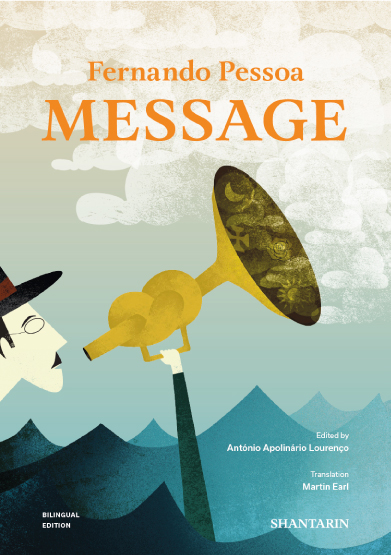
Message is one of the greatest poems in the whole of Portuguese literature. It was also Fernando PessoaÆs only book written in Portuguese to be published during his lifetime. At the time of its release, in October of 1934 (just over a year before the authorÆs death), Europe of the Enlightenment and freedom was succumbing to the advance of modern dictatorships, the escalation of expansionary nationalisms and a brand of imperialism based on atheistic materialism which, half a decade later, would trigger the Second World War. It is out of this atmosphere of general European decline, and with unwavering focus on his own country in particular, that Pessoa orchestrates his Message: a telling of the great events and protagonists behind the genesis of Portugal, of the golden age of maritime discovery and of subsequent national entropy, all of it predictive and flowing towards the future construction of a new and different empire: the Fifth Empire, which, in the authorÆs vision, would be a matrix of spirituality, messianism and millenarianism. Introduced and annotated by António Apolinário Lourenço, the present bilingual edition of Message offers to its readers both a guide for understanding and an interpretation of the poem in light of the history of Portugal and the doctrines of esoteric and heterodox Christianity, all of which played a central role in the intellectual education of Fernando Pessoa. This bilingual edition, with translations by Martin Earl, is introduced and annotated by António Apolinário Lourenço and illustrated by Fatinha Ramos.