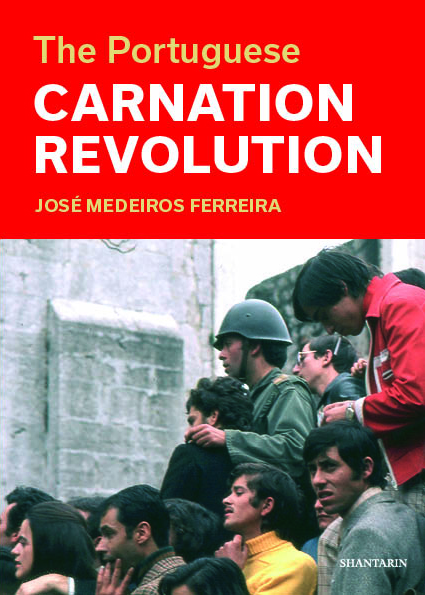
The Portuguese Carnation Revolution
Jose Medeiros Ferreira/Maria I Rezola tradutor David Hardisty
Anglais
Anglais
The Portuguese Carnation Revolution
Jose Medeiros Ferreira/Maria I Rezola tradutor David HardistySynopsis The Portuguese Carnation Revolution
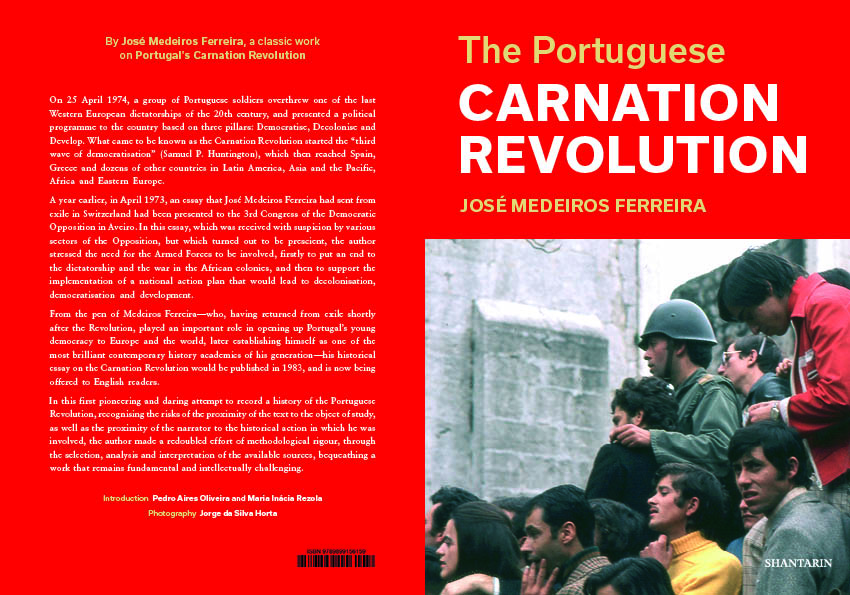
"On 25 April 1974, a group of Portuguese soldiers overthrew one of the last Western European dictatorships of the 20th century, and presented a political programme to the country based on three pillars: Democratise, Decolonise and Develop. What came to be known as the Carnation Revolution started the ôthird wave of democratisationö (Samuel P. Huntington), which then reached Spain, Greece and dozens of other countries in Latin America, Asia and the Pacific, Africa and Eastern Europe. A year earlier, in April 1973, an essay that José Medeiros Ferreira had sent from exile in Switzerland had been presented to the 3rd Congress of the Democratic Opposition in Aveiro. In this essay, which was received with suspicion by various sectors of the Opposition, but which turned out to be prescient, the author stressed the need for the Armed Forces to be involved, firstly to put an end to the dictatorship and the war in the African colonies, and then to support the implementation of a national action plan that would lead to decolonisation, democratisation and development.From the pen of Medeiros Ferreira-who, having returned from exile shortly after the Revolution, played an important role in opening up PortugalÆs young democracy to Europe and the world, later establishing himself as one of the most brilliant contemporary history academics of his generation-his historical essay on the Carnation Revolution would be published in 1983, and is now being offered to English readers. In this first pioneering and daring attempt to record a history of the Portuguese Revolution, recognising the risks of the proximity of the text to the object of study, as well as the proximity of the narrator to the historical action in which he was involved, the author made a redoubled effort of methodological rigour, through the selection, analysis and interpretation of the available sources, bequeathing a work that remains fundamental and intellectually challenging."
EAN
9789899156159
Éditeur
Année d'édition
2024
Pages
248
Langue
Anglais
Collection
SIN COLECCION
Hauteur
210
Largeur
150
21,58 €
-5%
20,50 €
21.58 €
- 5 % RÉD.
20.50 €