- Ebooks
- Livros clássicos
- LAS FRONTERAS DEL LENGUAJE (ALGUNAS CONSIDERACIONES SOBRE EL RELATO «MI TIO EL JAGUARETÉ», DE J.G. ROSA)
- Ebooks
- Livros clássicos
- LAS FRONTERAS DEL LENGUAJE (ALGUNAS CONSIDERACIONES SOBRE EL RELATO «MI TIO EL JAGUARETÉ», DE J.G. ROSA)
LAS FRONTERAS DEL LENGUAJE (ALGUNAS CONSIDERACIONES SOBRE EL RELATO «MI TIO EL JAGUARETÉ», DE J.G. ROSA)
ANTONIO MAURA
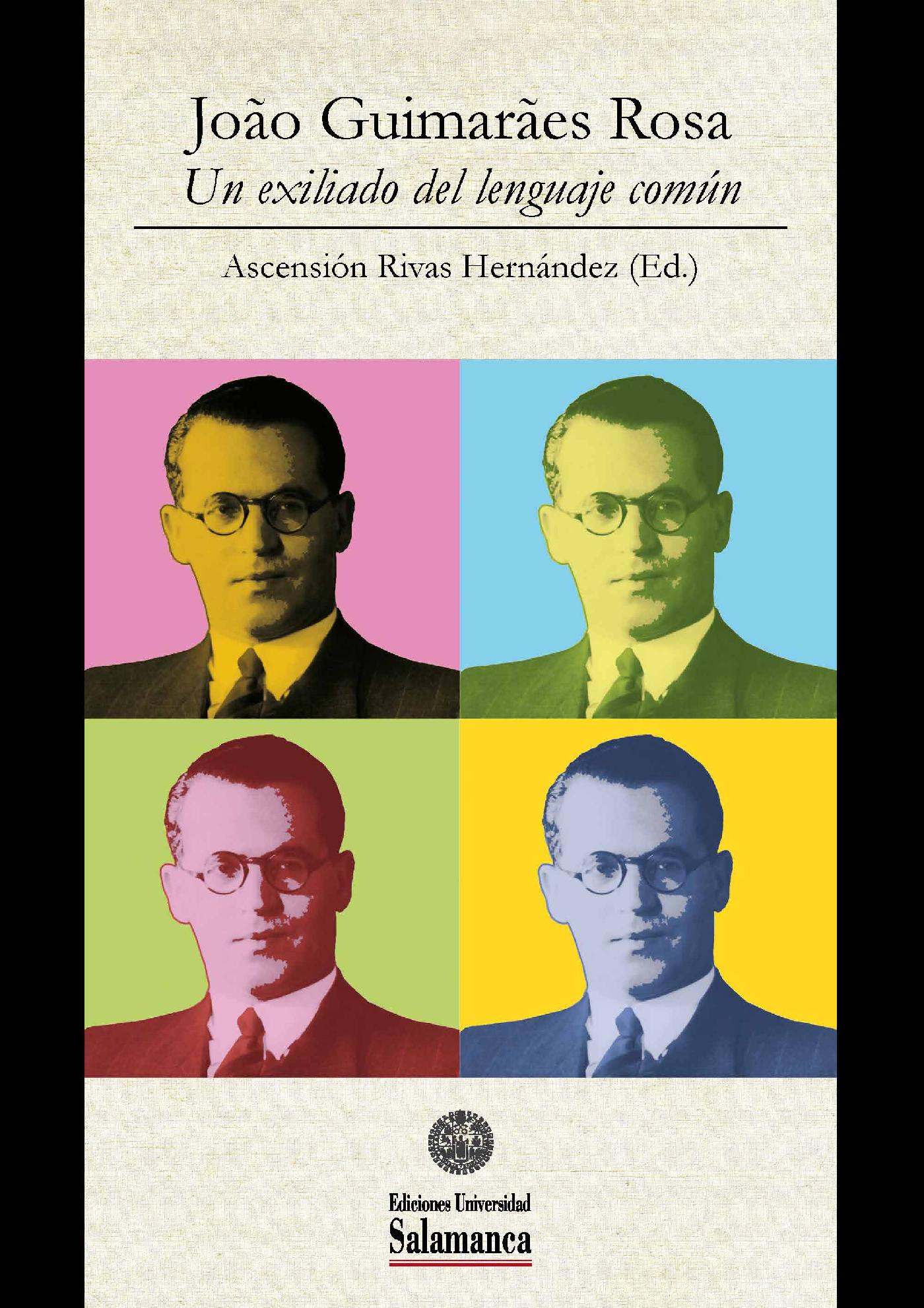
LAS FRONTERAS DEL LENGUAJE (ALGUNAS CONSIDERACIONES SOBRE EL RELATO «MI TIO EL JAGUARETÉ», DE J.G. ROSA)
ANTONIO MAURASinopse LAS FRONTERAS DEL LENGUAJE (ALGUNAS CONSIDERACIONES SOBRE EL RELATO «MI TIO EL JAGUARETÉ», DE J.G. ROSA)
[SPA] Tal vez sea, «Meu tio o Jaguaretê», como indica certeramente Haroldo de Campos, el episodio más avanzado de la experiencia lingüística de Guimarães Rosa. Y no sólo del lenguaje, sino del propio ser humano, del «yo», que se diluye en este relato, quizás el más inquietante y sobrecogedor de toda su obra. Este trabajo indaga en la génesis del relato: el momento de su escritura en la biografía de su autor, sus viajes al Pantanal y la exploración lingüística del tupí. Posteriormente se pasa a analizar el texto en sí mismo, su temática y construcción, digamos musical, en tres tiempos. En el primero se dibuja al personaje, al único interlocutor del relato, que intenta aparecer como un ser humano, aunque su profesión como cazador de onzas le marca especialmente y es la causa de su soledad física. En el segundo, el protagonista demuestra tener un conocimiento extraordinario sobre el mundo y el habitat de las onzas. El tercer tiempo es la descripción de su transformación, mostrada plásticamente, de hombre cazador de onzas en onza cazadora de hombres y donde se produce el desenlace. Por otra parte, este relato servirá a su autor como primera prueba de lo que, posteriormente, será el desarrollo del monólogo, que caracterizará su gran novela Grande sertão: veredas.
Palabras clave: lenguaje; metamorfosis; Tupí; onza; antropofagia.
[POR] Talvez seja «Meu tio ou Jaguaretê», como certamente indica Haroldo de Campos, o episódio final da experiência linguística de Guimarães Rosa. E não só da língua, mas do próprio ser humano, o ‘Eu’, que é diluído nesta história, talvez a mais perturbadora e chocante de sua obra. Este trabalho explora a gênese da estória: o momento da sua escrita e a biografia de seu autor, suas viagens ao Pantanal e a exploração linguística do tupi. Depois passa-se a analisar a novela em si, seu tema e sua construção, por dizer assim, musical em três tempos. No primeiro, se configura a personagem, o interlocutor único da história que tenta aparecer como um ser humano, apesar de sua profissão de caçador de onças, que o marca especialmente e, além disso, é a causa da sua solidão física. Na segunda, o protagonista prova ter conhecimento especial sobre o mundo e o habitat da onça. O terceiro tempo da narração é a descrição de sua transformação, plasticamente, de homem caçador de onça em onça caçador de homens e onde se produz o desenlace. Por outro lado, esta história servirá ao autor como a primeira experiência de desenvolvimento do monólogo, que irá caracterizar seu grande romance Grande Sertão: veredas.
Palavras-chave: linguagem; metamorfose; Tupi; onça; antropofagia.
[ENG] Perhaps, «Meu tio or Jaguareté», as certainly indicates Haroldo de Campos, is the most advanced episode of Guimarães Rosa linguistic experience. And not only the language, but the own human being, the ‘I’, which is diluted in this story, perhaps the most disturbing and shocking of all his work. This job explores the genesis of the story: the time of its writing in the author’s biography, his trips to the Pantanal and the Tupi linguistic exploration. Later he proceeds to analyze the story itself, its theme and construction, musical speaking, in three times. In the first one, it is drawn the character, the only interlocutor of the story, trying to appear as a human being, although his profession as a hunter of ounces marks him especially and it is the cause of his physical solitude. In the second one, the protagonist proved to have an extraordinary knowledge about the world and habitat of the ounces. The third time of the story is the description of his transformation, shown plastically, from a man hunter of ounces into ounce hunter of men and where the ending is produced. Moreover, this story will serve to its author as a first test of what, later, will be the development of the monologue, which will characterize his great novel Grande Sertão: veredas.
Key words: language; metamorphosis; Tupi; ounce; cannibalism.
EAN
EC0032E067079
Editora
Formato de ebook
EPUB
Ano de edição
2017
Páginas
12
Idioma
Castelhano
Direitos de ebook
Número de activaciones: 6