https://www.imosver.com/pt/ebooks/munch-E0002744719E0002744719MUNCH6.72Edvard Munch, born in 1863, was Norway's most popular artist. His brooding and anguished paintings, based on personal grief and obsessions, were instrumental in the development of Expressionism. Durinhttps://www.aglutinaeditores.com/media/resources/public/5c/5c46/5c46437157994a8f8876cca12542a59cEbookEbook/ARQUITECTURADisponiblePARKSTONE INTERNATIONAL000https://www.aglutinaeditores.com/media/resources/public/5c/5c46/5c46437157994a8f8876cca12542a59cALO00644187.0750.352011/12/229781781606155PATRICK BADEEbookaño_2011engautor_PATRICK BADE
Artículo
MUNCH
PATRICK BADE
PARKSTONE INTERNATIONAL
ARQUITECTURA
Aviso de Cookies
Utilizamos cookies para garantir a melhor experiência em nosso site.
Ler política de cookies.
Gestionar preferencias de cookies
Este tipo de cookies permitem ao usuário a navegação através de uma página web, plataforma ou aplicação e a utilização das diferentes opções ou serviços que nela existam.
imosverlaravel_session
Descrição
Este cookie é necessário para o funcionamento do site e não pode ser desativado em nossos sistemas.
Duração
Sesión
Dependências
Domínio
imosver.com
OCT8NE
Descrição
Este cookie é utilizado para o correto funcionamento do Chat da Oct8ne para prestar o serviço de atendimento ao cliente ao usuário.
São aquelas que possibilitam o acompanhamento e análise do comportamento dos usuários em nossa página. A informação recolhida é utilizada para a medição da atividade dos usuários na web e a elaboração de perfis de navegação dos usuários.
_clsk
Descrição
Regista dados estatísticos do comportamento do visitante no site. Isto é utilizado para análises internas pelo operador do website.
Duração
1 ano
Dependências
_clsk,MUID,_clck
Domínio
logglytrackingsession
Descrição
Identifica e regista a sessão do usuário para fins analíticos.
Duração
Sesión
Dependências
Domínio
.imosver.com
GOOGLE_ANALYTICS
Descrição
Regista um identificador único que é utilizado para gerar dados estatísticos sobre como o visitante utiliza o sítio web.
Duração
1 ano
Dependências
Domínio
.imosver.com
São aquelas que nos permitem adaptar a navegação em nosso site às suas preferências (ex.: idioma, navegador utilizado, etc.).
_fbp
Descrição
Utilizado pelo Facebook para oferecer uma série de produtos publicitários, como ofertas em tempo real de anunciantes terceiros.
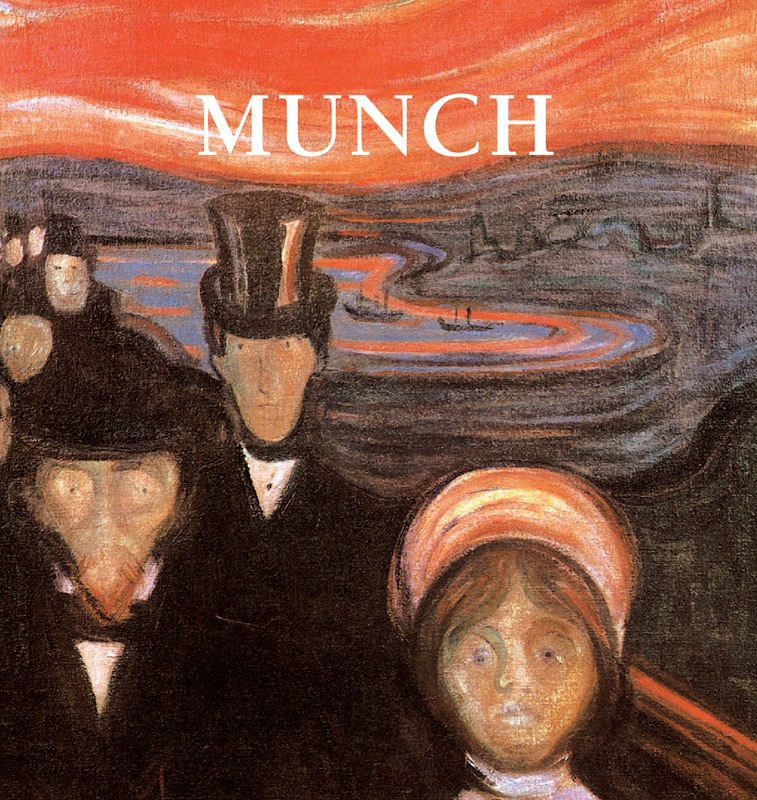
Edvard Munch, born in 1863, was Norway's most popular artist. His brooding and anguished paintings, based on personal grief and obsessions, were instrumental in the development of Expressionism. During his childhood, the death of his parents, his brother and sister, and the mental illness of another sister, were of great influence on his convulsed and tortuous art. In his works, Munch turned again and again to the memory of illness, death and grief. During his career, Munch changed his idiom many times. At first, influenced by Impressionism and Post-impressionism, he turned to a highly personal style and content, increasingly concerned with images of illness and death. In the 1892s, his style developed a ‘Synthetist' idiom as seen in The Scream (1893) which is regarded as an icon and the portrayal of modern humanity's spiritual and existential anguish. He painted different versions of it. During the 1890s Munch favoured a shallow pictorial space, and used it in his frequently frontal pictures. His work often included the symbolic portrayal of such themes as misery, sickness, and death. and the poses of his figures in many of his portraits were chosen in order to capture their state of mind and psychological condition. It also lends a monumental, static quality to the paintings. In 1892, the Union of Berlin Artists invited Munch to exhibit at its November exhibition. His paintings invoked bitter controversy at the show, and after one week the exhibition closed. In the 1930s and 1940s, the Nazis labeled his work “degenerate art”, and removed his works from German museums. This deeply hurt the anti-fascist Munch, who had come to feel Germany was his second homeland. In 1908 Munch's anxiety became acute and he was hospitalized. He returned to Norway in 1909 and died in Oslo in 1944.