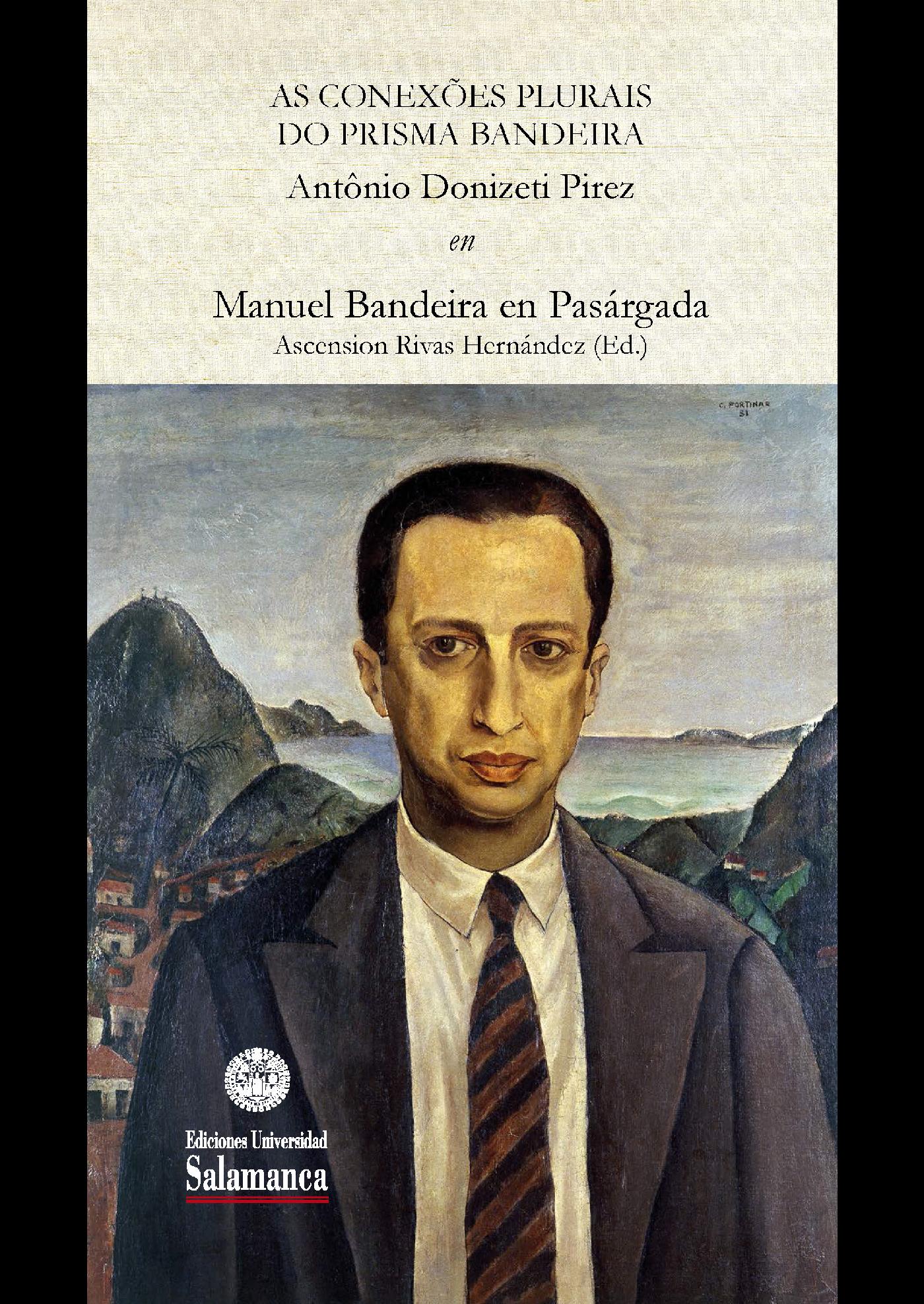
Synopsis AS CONEXÕES PLURAIS DO PRISMA BANDEIRA
RESUMO: O prisma é a figura geométrica que bem metaforiza a obra de Manuel Bandeira (1886-1968), poeta lírico essencial à literatura brasileira do século XX e que também foi poeta-crítico, poeta-cronista, poeta-tradutor, poeta-professor, poeta-missivista. Estreou em 1917 com Cinza das horas, de sutil recorte parnaso-simbolista, mas logo tornou-se um dos ícones do Modernismo: além de ter transitado pelas formas e técnicas tradicionais e vanguardistas, explorou temas que abarcam a tradição lírica –Deus, a religião, a alma, o amor, a natureza, a família, a infância– e aqueles que ressaltam o desconcerto e a fragmentação do homem moderno –a grande cidade, o cotidiano simples e humilde, o desencontro, a solidão, a doença, a morte, o corpo; seja o corpo do poeta ou o corpo do poema, seja o corpo do desvalido social e existencialmente, que se espoja nos restos da civilização–. Em vista do exposto, propõe-se uma análise crítico-interpretativa de três poemas fundamentais, a fim de que sejam ressaltadas as conexões plurais do prisma Bandeira: «Não sei dançar» (Libertinagem, 1930), «Elegia de verão» (Opus 10, 1952) e «Passeio em São Paulo» (Estrela da tarde, 1963).
Palavras-chave: Poesia brasileña; Modernismo; Manuel Bandeira; Análisis e interpretacción.
RESUMEN: Prisma es una figura geométrica que sirve como metáfora de la obra de Manuel Bandeira (1886-1968), poeta lírico esencial de la literatura brasileña del siglo XX; quien también fue poeta-crítico, poeta-cronista, poeta-traductor, poeta-profesor y poeta-e- pistolar. Se estrenó en 1917 con Cinza das horas, de sutil configuración parnaso-simbolista, para después tornarse uno de los iconos del Modernismo: además de transitar por las formas y técnicas tradicionales y vanguardistas, exploró temas que la tradición lírica abarca –Dios, religión, alma, amor, naturaleza, familia, infancia– y aquellos que resaltan el desconcierto y la fragmentación del hombre moderno –la gran ciudad, el costumbrismo simple y humilde, el desencuentro, la soledad, la enfermedad, la muerte, el cuerpo; sea el cuerpo del poeta o el cuerpo del poema, sea el cuerpo del desamparado social y existencialmente, que se revuelca en los restos de la civilización–. A la vista de lo expuesto anteriormente, se propone un análisis crítico-interpretativo de tres poemas fundamentales, con el propósito de resaltar las conexiones plurales del prisma Bandeira: «Não sei dançar» (Libertinagem, 1930), «Elegia de verão» (Opus 10, 1952) y «Passeio em São Paulo» (Estrela da tarde, 1963).
Palabras clave: Poesía brasileña; Modernismo; Manuel Bandeira; Análisis e interpretacción.
ABSTRACT: The prism is the geometric figure that gives a good metaphoric meaning to Manuel Bandeira’s work (1886-1968), a lyric poet who was essential to the Brazilian literature of the twentieth century and who was a critic-poet, a chronicler-poet, a translator-poet, a teacher-poet, a missive writer-poet. He debuted in 1917 with Cinza das horas, of subtle Parnas- sian-symbolist features, but soon became one of the Modernism icons: in addition to having transited through the traditional and vanguardist forms and techniques, he explored themes that comprise the lyrical tradition — God, religion, the soul, love, nature, family, childhood
— and those that emphasize the confusion and fragmentation of the modern man —the big city, the simple and modest daily life, the disencounters, the loneliness, the illness, the death, the body; be it the body of the poet or the body of the poem, the body of the social and existentially disfavoured, who wallow in the remains of civilization. Considering what has been exposed above, a critical-interpretative analysis of three fundamental poems is proposed so that the plural connections of Bandeira’s prism are outlined «Não sei dançar» (Libertinagem, 1930), «Elegia de verão» (Opus 10, 1952) and «Passeio em São Paulo» (Estrela da tarde, 1963).
Key words: Brazilian poetry; Modernism; Manuel Bandeira; Analysis and interpretation.
EAN
EC0026E127137
Publisher
Ebook format
EPUB
Edition year
2016
Pages
10
Ebook rights
Número de activaciones: 6