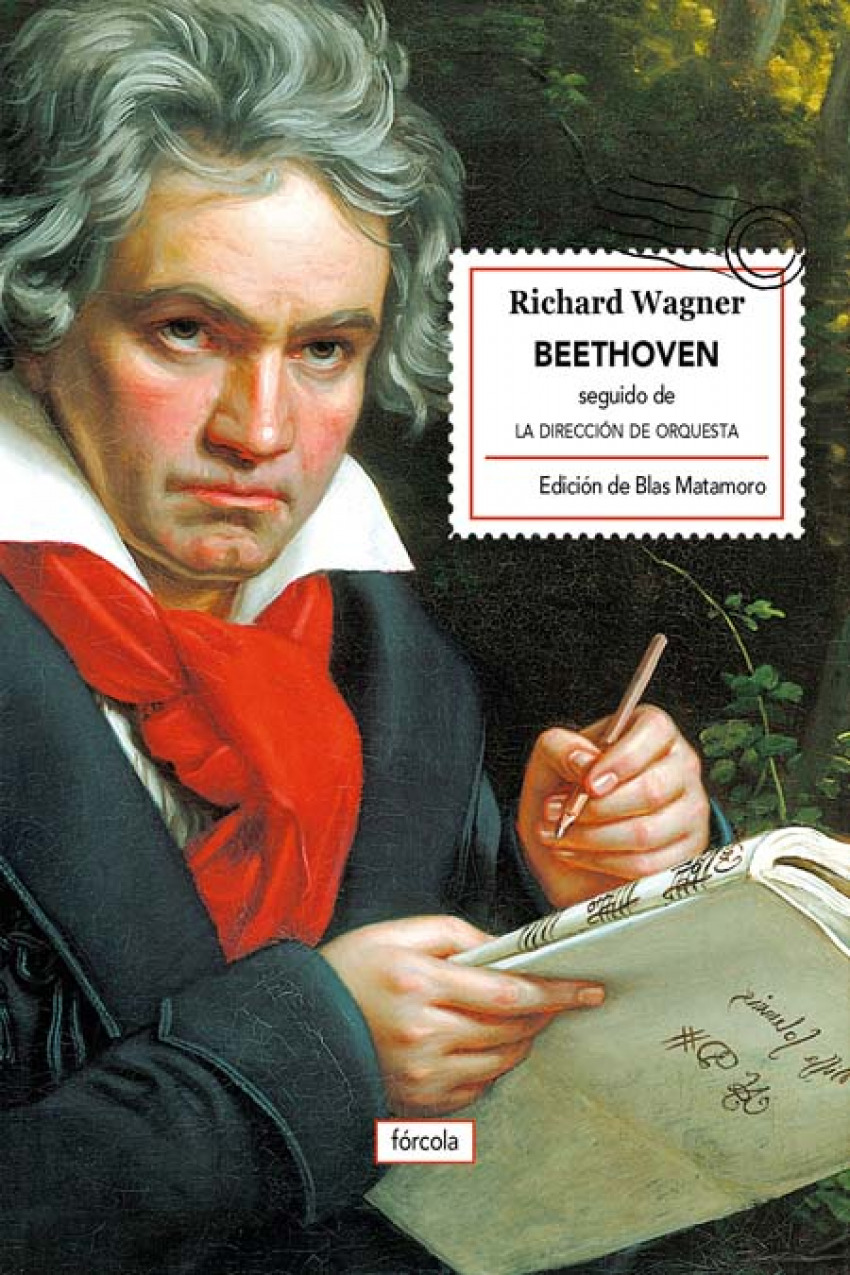
https://www.imosver.com/en/libros/beethoven-00104855650010485565Beethoven14.73Con ocasión del primer centenario del nacimiento de Ludwig van Beethoven, Richard Wagner publicó el breve ensayo Beethoven (1870), en el que construye, siguiendo el pensamiento de Schopenhauer e inspihttps://static.serlogal.com/imagenes_small/9788416/978841624760.jpgLibrosLibros/MUSICAEn stockFORCOLA000https://static.serlogal.com/imagenes_small/9788416/978841624760.jpg0010612892CIM0073194MAC0010058ALO007713815.550.772016/02/179788416247608Wagner, RichardLibrosaño_2016idioma_SpanishCformato_Tapa blanda o Bolsilloautor_Wagner, Richardsaga_SINGLADURAS
Artículo
Beethoven
Wagner Richard
FORCOLA
MUSICA
Cookie Notice
We use cookies to ensure you get the best experience on our website.
Read cookie policy.
Gestionar preferencias de cookies
This type of cookie allows the user to browse a website, platform, or application and to use the different options or services that exist on it.
imosverlaravel_session
Description
This cookie is necessary for the website to function and cannot be disabled in our systems.
Duration
Sesión
Dependencies
Domain
imosver.com
OCT8NE
Description
This cookie is used for the proper functioning of the Oct8ne Chat to provide customer support service to the user.
These are those that enable the tracking and analysis of user behavior on our website. The information collected is used to measure user activity on the website and to create user browsing profiles.
_clsk
Description
It records statistical data about the visitor's behavior on the website. This is used for internal analysis by the website operator.
Duration
1 year
Dependencies
_clsk,MUID,_clck
Domain
logglytrackingsession
Description
Identifies and records the user session for analytical purposes.
Duration
Sesión
Dependencies
Domain
.imosver.com
GOOGLE_ANALYTICS
Description
Records a unique identifier that is used to generate statistical data about how the visitor uses the website.
Duration
1 year
Dependencies
Domain
.imosver.com
These are the ones that allow us to adapt the navigation on our website to your preferences (e.g., language, browser used, etc.).
_fbp
Description
Used by Facebook to offer a series of advertising products, such as real-time bids from third-party advertisers.
Con ocasión del primer centenario del nacimiento de Ludwig van Beethoven, Richard Wagner publicó el breve ensayo Beethoven (1870), en el que construye, siguiendo el pensamiento de Schopenhauer e inspirándose en las ideas estéticas de Goethe y Schiller, toda una teoría de la música, esa experiencia que nos fusiona con la totalidad de la naturaleza, acercándonos al infinito, un más allá de la belleza: lo sublime, «algo que nos colma y que excita en nosotros el éxtasis de la consciencia de lo ilimitado». Beethoven, «el modelo de músico», elevó lo estético a la categoría de lo sublime, liberándolo de las antiguas formas convencionales, conquistando así la melodía que su genio, encarnación del espíritu alemán, emancipó de todo influjo a la moda y todo mudable gusto, creando una música «válida para todos los tiempos». Wagner le atribuye haber conseguido un modelo de música sinfónica para formular el canto, con su Novena Sinfonía.