https://www.imosver.com/en/libros/el-arte-rococo-y-su-presencia-en-espana-00104581400010458140El arte rococó y su presencia en España22.8El primer reto que ofrece el arte rococó consiste en su propia definición, dentro de una época incierta como es el siglo XVIII, donde se sucede, convive y solapa una pluralidad de lenguajes y solucionhttps://static.imosver.com/imagenes_small/9788419/978841952537.jpgLibrosLibros/HISTORIASin stockTREA EDICIONES000https://static.imosver.com/imagenes_small/9788419/978841952537.jpg0010774528CIM0042212MAR00141432451.22022/10/019788419525376González Romero, José FernandoLibrosaño_2022idioma_SpanishCformato_Tapa blanda o Bolsilloautor_González Romero, José Fernandosaga_Piedras angulares
Artículo
El arte rococó y su prese
González Romero José Fern
TREA EDICIONES
HISTORIA
Cookie notice
We use cookies to ensure you get the best experience on our site
Read cookie policy.
Manage cookie preferences
This type of cookie allows the user to browse a website, platform, or application and to use the different options or services that exist on it.
imosver_session
Description
Essential first-party cookie. It keeps your session identified while you browse: your basket, your language and access to your account. The website cannot work without it.
Duration
120 minutes
Facilities
Domain
imosver.com
OCT8NE
Description
This cookie is used for the proper functioning of the Oct8ne Chat to provide customer support service to the user.
These are those that enable the tracking and analysis of user behavior on our website. The information collected is used to measure user activity on the website and to create user browsing profiles.
_clsk
Description
Microsoft Clarity first-party cookie. It groups the pages you visit into a single session in order to analyse your journey through the website.
Duration
1 days
Facilities
Domain
imosver.com
logglytrackingsession
Description
Identifies and records the user session for analytical purposes.
Duration
Session
Facilities
Domain
.imosver.com
GOOGLE_ANALYTICS
Description
Records a unique identifier that is used to generate statistical data about how the visitor uses the website.
Duration
1 Year
Facilities
Domain
.imosver.com
_clck
Description
Microsoft Clarity first-party cookie. It stores an anonymous browser identifier so that visits to this website can be attributed to the same user and usage statistics can be produced.
Duration
1 Year
Facilities
Domain
imosver.com
CLID
Description
Microsoft Clarity third-party cookie. It identifies the first time Clarity detects this browser on any website using the service.
Duration
1 Year
Facilities
Domain
clarity.ms
_ga
Description
Google Analytics cookie. It stores an anonymous browser identifier in order to distinguish users and produce website usage statistics.
Duration
2 Year
Facilities
Domain
.imosver.com
_ga_LZR660YW0M
Description
Google Analytics 4 cookie. It keeps the analytics session state so that visits and the journey through the website can be measured.
Duration
2 Year
Facilities
Domain
.imosver.com
These are the ones that allow us to adapt the navigation on our website to your preferences (e.g., language, browser used, etc.).
_fbp
Description
Used by Facebook to offer a series of advertising products, such as real-time bids from third-party advertisers.
Duration
3 Month
Facilities
Domain
.imosver.com
afiliado
Description
First-party affiliate programme cookie. It stores for 30 days the code of the affiliate that brought you to the website, so that the sale can be attributed to them.
Duration
1 Month
Facilities
Domain
imosver.com
MUID
Description
Microsoft third-party cookie. It identifies unique browsers visiting Microsoft sites and is used for advertising, analytics and other operational purposes.
Duration
1 Year
Facilities
Domain
clarity.ms
ANONCHK
Description
Microsoft third-party cookie. It indicates whether the MUID identifier is transferred to ANID, a cookie used for advertising purposes.
Duration
10 minutes
Facilities
Domain
clarity.ms
MR
Description
Microsoft third-party cookie. It indicates whether the MUID identifier must be refreshed.
Duration
7 days
Facilities
Domain
clarity.ms
SM
Description
Microsoft third-party cookie. It synchronises the MUID identifier across Microsoft domains.
Duration
Session
Facilities
Domain
clarity.ms
_fbc
Description
Meta cookie. It stores the identifier of the Facebook or Instagram advert you arrived from, in order to attribute the visit to that advertising campaign.
Duration
3 Month
Facilities
Domain
.imosver.com
_gcl_au
Description
Google Ads cookie. It records a visit coming from an advert so that advertising campaign conversions can be measured.
Duration
3 Month
Facilities
Domain
.imosver.com
_uetsid
Description
Microsoft Advertising cookie. It identifies your browsing session in order to measure conversions from Bing advertising campaigns.
Duration
1 days
Facilities
Domain
.imosver.com
_uetvid
Description
Microsoft Advertising cookie. It identifies your browser across visits in order to measure conversions from Bing advertising campaigns.
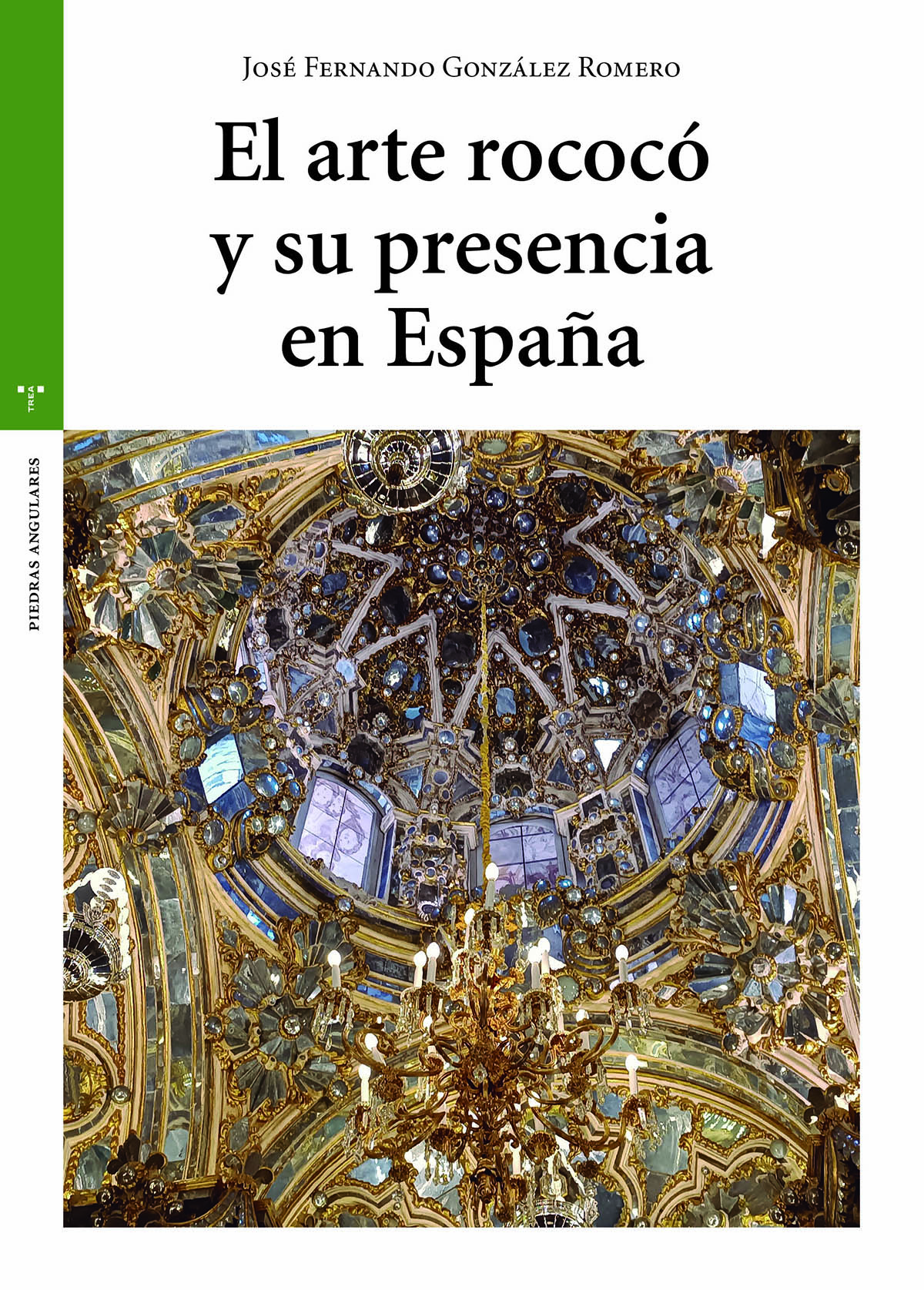
El primer reto que ofrece el arte rococó consiste en su propia definición, dentro de una época incierta como es el siglo XVIII, donde se sucede, convive y solapa una pluralidad de lenguajes y soluciones artísticas. Además, toda categorización que trata de enjaular la realidad para explicarla tiene siempre un carácter relativo, al escaparse esta entre sus barrotes. Otra dificultad es el carácter un tanto caprichoso y lúdico de su comportamiento, que acaba por ocultarse ante los propios ojos del historiador del arte en su juego al escondite entre el contenido barroco y la forma clásica. La evolución de este estilo en España puede desglosarse en tres fases sucesivas: una primera etapa de transición tras el advenimiento al trono de la nueva dinastía borbónica con Felipe V, que se caracteriza por la dialéctica entre las corrientes castizas y las influencias exógenas, principalmente francesas e italianas; su apogeo y máxima difusión durante el reinado de Fernando VI en los años centrales de la centuria; y el canto de cisne bajo el despotismo ilustrado de Carlos III, hasta su muerte definitiva con la llegada al trono de Carlos IV y el auge de la moda grecorromana. El Patrimonio de la Corona, un conjunto de residencias, monasterios, jardines y paisajes pertenecientes a las dinastías de los Austrias y los Borbones, único en Europa por su magnificencia, acumulación de obras de arte y estado de conservación, adquiere precisamente en el siglo XVIII su máximo esplendor. A ello contribuye la renovación y creación de palacios de nueva planta, la presencia de artistas internacionales de primera línea y el impulso de innovadoras manufacturas regias, como las fábricas de cristal de La Granja, de tapices de Santa Bárbara o de porcelana del Buen Retiro. Frente al rococó impulsado desde arriba por una corte afrancesada, unido a unos ambientes cortesanos y como refinado capricho de una elite exquisita, esta tendencia también enlaza por abajo con el sentimiento popular, promovido principalmente por las ordenes mendicantes, cofradías y hermandades. Se encuentra unido al retablo en su canto de cisne durante la segunda mitad del siglo XVIII, que forma parte indisociable de camarines, capillas de la comunión, tabernáculos y sagrarios, grandes catedrales, todo tipo de templos, ermitas y oratorios.