https://www.imosver.com/en/libros/el-inventor-artificial-papel-e-book-00104917020010491702El Inventor Artificial (Papel + e-book)28La revolución de la Inteligencia Artificial (IA), en sus diferentes manifestaciones -sistemas expertos, redes neuronales, sistemas híbridos inteligentes, etc.,- trae consigo numerosos progresos tecnolhttps://static.imosver.com/imagenes_small/9788413/978841346974.jpgLibrosLibros/DERECHOSin stockARANZADI000https://static.imosver.com/imagenes_small/9788413/978841346974.jpg00103072950010491790001049215229.4751.472020/05/019788413469744Sánchez García, LuzLibrosaño_2020idioma_SpanishCformato_Libroautor_Sánchez García, Luzsaga_Monografía
Artículo
El Inventor Artificial (P
Sánchez García Luz
ARANZADI
DERECHO
Cookie notice
We use cookies to ensure you get the best experience on our site
Read cookie policy.
Manage cookie preferences
This type of cookie allows the user to browse a website, platform, or application and to use the different options or services that exist on it.
imosver_session
Description
Essential first-party cookie. It keeps your session identified while you browse: your basket, your language and access to your account. The website cannot work without it.
Duration
120 minutes
Facilities
Domain
imosver.com
OCT8NE
Description
This cookie is used for the proper functioning of the Oct8ne Chat to provide customer support service to the user.
These are those that enable the tracking and analysis of user behavior on our website. The information collected is used to measure user activity on the website and to create user browsing profiles.
_clsk
Description
Microsoft Clarity first-party cookie. It groups the pages you visit into a single session in order to analyse your journey through the website.
Duration
1 days
Facilities
Domain
imosver.com
logglytrackingsession
Description
Identifies and records the user session for analytical purposes.
Duration
Session
Facilities
Domain
.imosver.com
GOOGLE_ANALYTICS
Description
Records a unique identifier that is used to generate statistical data about how the visitor uses the website.
Duration
1 Year
Facilities
Domain
.imosver.com
_clck
Description
Microsoft Clarity first-party cookie. It stores an anonymous browser identifier so that visits to this website can be attributed to the same user and usage statistics can be produced.
Duration
1 Year
Facilities
Domain
imosver.com
CLID
Description
Microsoft Clarity third-party cookie. It identifies the first time Clarity detects this browser on any website using the service.
Duration
1 Year
Facilities
Domain
clarity.ms
_ga
Description
Google Analytics cookie. It stores an anonymous browser identifier in order to distinguish users and produce website usage statistics.
Duration
2 Year
Facilities
Domain
.imosver.com
_ga_LZR660YW0M
Description
Google Analytics 4 cookie. It keeps the analytics session state so that visits and the journey through the website can be measured.
Duration
2 Year
Facilities
Domain
.imosver.com
These are the ones that allow us to adapt the navigation on our website to your preferences (e.g., language, browser used, etc.).
_fbp
Description
Used by Facebook to offer a series of advertising products, such as real-time bids from third-party advertisers.
Duration
3 Month
Facilities
Domain
.imosver.com
afiliado
Description
First-party affiliate programme cookie. It stores for 30 days the code of the affiliate that brought you to the website, so that the sale can be attributed to them.
Duration
1 Month
Facilities
Domain
imosver.com
MUID
Description
Microsoft third-party cookie. It identifies unique browsers visiting Microsoft sites and is used for advertising, analytics and other operational purposes.
Duration
1 Year
Facilities
Domain
clarity.ms
ANONCHK
Description
Microsoft third-party cookie. It indicates whether the MUID identifier is transferred to ANID, a cookie used for advertising purposes.
Duration
10 minutes
Facilities
Domain
clarity.ms
MR
Description
Microsoft third-party cookie. It indicates whether the MUID identifier must be refreshed.
Duration
7 days
Facilities
Domain
clarity.ms
SM
Description
Microsoft third-party cookie. It synchronises the MUID identifier across Microsoft domains.
Duration
Session
Facilities
Domain
clarity.ms
_fbc
Description
Meta cookie. It stores the identifier of the Facebook or Instagram advert you arrived from, in order to attribute the visit to that advertising campaign.
Duration
3 Month
Facilities
Domain
.imosver.com
_gcl_au
Description
Google Ads cookie. It records a visit coming from an advert so that advertising campaign conversions can be measured.
Duration
3 Month
Facilities
Domain
.imosver.com
_uetsid
Description
Microsoft Advertising cookie. It identifies your browsing session in order to measure conversions from Bing advertising campaigns.
Duration
1 days
Facilities
Domain
.imosver.com
_uetvid
Description
Microsoft Advertising cookie. It identifies your browser across visits in order to measure conversions from Bing advertising campaigns.
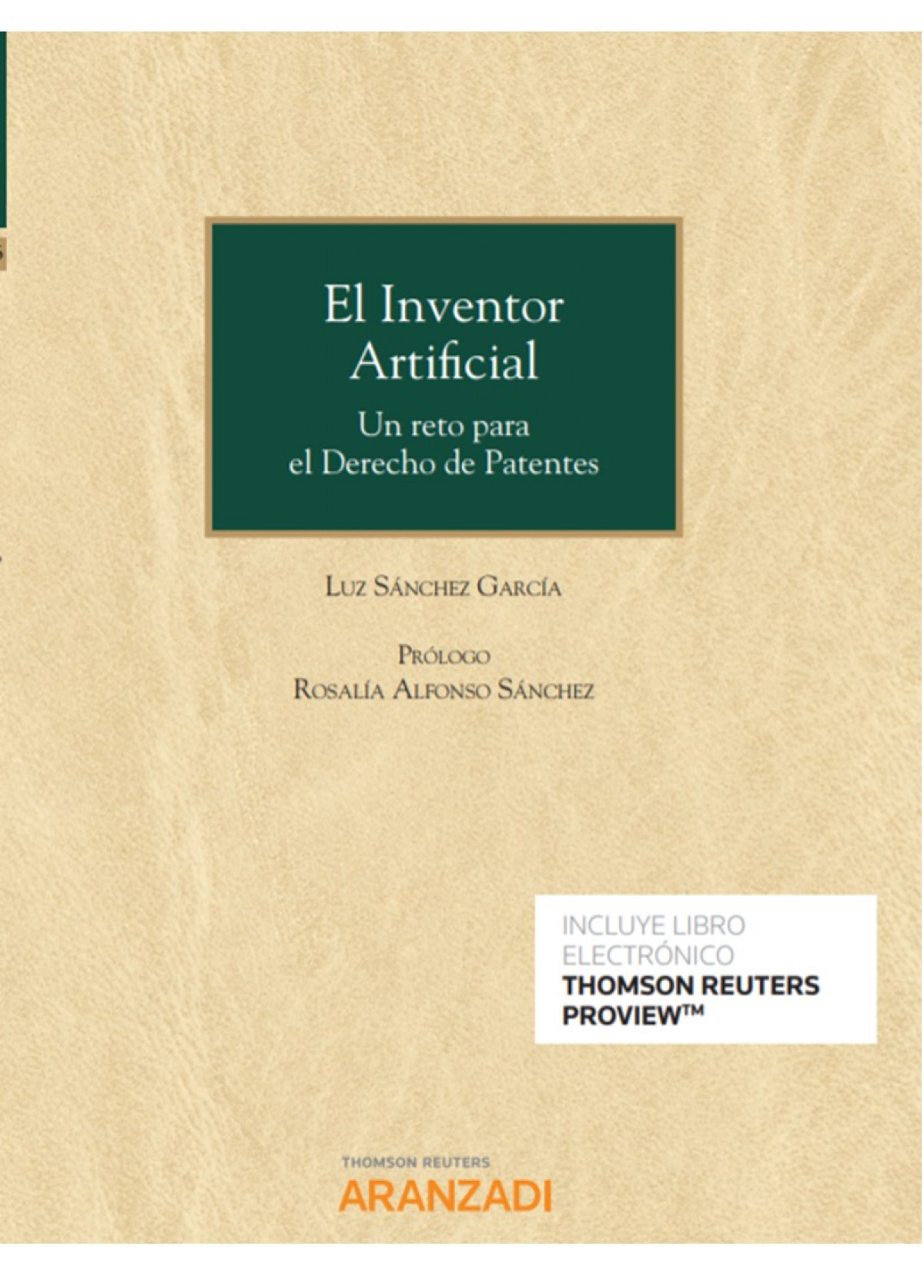
La revolución de la Inteligencia Artificial (IA), en sus diferentes manifestaciones -sistemas expertos, redes neuronales, sistemas híbridos inteligentes, etc.,- trae consigo numerosos progresos tecnológicos. Si bien esta tecnología hasta ahora ha sido utilizada fundamentalmente como herramienta para agilizar tareas ejecutadas por el ser humano, en la actualidad se comienza a hablar de la «Artificial Invention Age», una era en la que la colaboración entre humanos y máquinas se convierte en un punto clave, encargándose los primeros de detectar el problema y concretarlo y las segundas de generar, simular y evaluar posibles soluciones. De hecho, ya es una certeza que los sistemas de IA avanzados son capaces de alcanzar resultados innovadores e impredecibles de una manera independiente y autónoma, sin seguir instrucción humana alguna, pudiéndose advertir ya en la actualidad invenciones realizadas por Agentes Inteligentes Artificiales (AIAs). Así, los AIAs dejan de ser meros instrumentos al servicio del ser humano para convertirse en los verdaderos protagonistas del proceso inventivo o, como mínimo, en entes esenciales para llegar a resultados patentables. Este escenario suscita cuestiones controvertidas que son tratadas en la presente obra, primero técnicamente, para luego sugerir el tratamiento jurídico adecuado a sus especiales características. ¿Pueden estos AIAs ser considerados inventores?, ¿podrían sus invenciones ser patentadas?, ¿quién sería el titular del derecho a la patente?, ¿quién evaluaría estas invenciones?, etc. Son tan sólo algunos de los interrogantes a los que se trata de dar respuesta en esta obra. La presente obra afronta este reto, no desde la óptica del miedo o incertidumbre, sino más bien planteando un nuevo enfoque que permite proponer soluciones jurídicas adecuadas a una realidad todavía emergente, siendo necesario revisar los conceptos tradicionales de Propiedad Intelectual e Industrial y proponer nuevas herramientas en aquellos ámbitos donde los anteriores sean insuficientes o, simplemente, no encuentren su encuadre perfecto. En todo caso, se impone ser cauteloso en la regulación que se proponga teniendo siempre en cuenta el respeto de los derechos humanos. De ahí que esta investigación proponga una aproximación a la protección de las invenciones obtenidas por AIAs, flexible en cuanto al proceso inventivo -en el sentido de no limitar las capacidades de los entes artificiales y promover con ello la innovación-, pero a su vez restrictiva en cuanto a la concesión de derechos y deberes a estos entes como consecuencia de su actuación («human-control approach»).