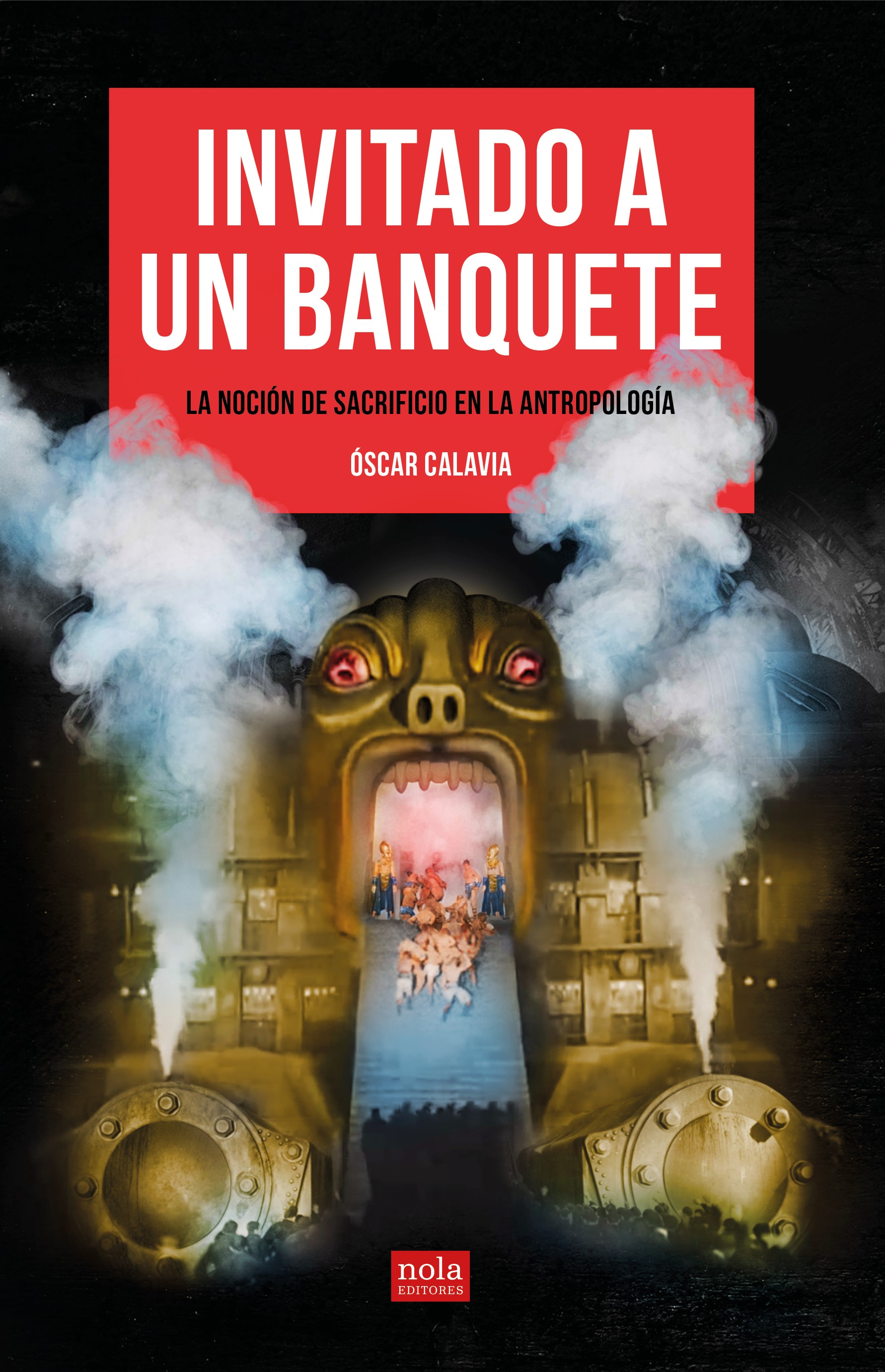
https://www.imosver.com/en/libros/invitado-a-un-banquete-00104375510010437551Invitado a un banquete25.18El sacrificio ha sido una práctica fundadora del estado en Occidente y, desde hace algunos años, una noción ingrata y envejecida. La historia del sacrificio revela los cimientos teológicos de un ordenhttps://static.imosver.com/imagenes_small/9788418/978841816425.jpgLibrosLibros/HISTORIASin stockNOLA000https://static.imosver.com/imagenes_small/9788418/978841816425.jpgCIM0021510PUN0005085001049968226.551.322024/05/069788418164255Calavia Sáez, ÓscarLibrosaño_2024idioma_SpanishCformato_Tapa blanda o Bolsilloautor_Calavia Sáez, Óscarsaga_Miradas
Artículo
Invitado a un banquete
Calavia Sáez Óscar
NOLA
HISTORIA
Cookie notice
We use cookies to ensure you get the best experience on our site
Read cookie policy.
Manage cookie preferences
This type of cookie allows the user to browse a website, platform, or application and to use the different options or services that exist on it.
imosver_session
Description
Essential first-party cookie. It keeps your session identified while you browse: your basket, your language and access to your account. The website cannot work without it.
Duration
120 minutes
Facilities
Domain
imosver.com
OCT8NE
Description
This cookie is used for the proper functioning of the Oct8ne Chat to provide customer support service to the user.
These are those that enable the tracking and analysis of user behavior on our website. The information collected is used to measure user activity on the website and to create user browsing profiles.
_clsk
Description
Microsoft Clarity first-party cookie. It groups the pages you visit into a single session in order to analyse your journey through the website.
Duration
1 days
Facilities
Domain
imosver.com
logglytrackingsession
Description
Identifies and records the user session for analytical purposes.
Duration
Session
Facilities
Domain
.imosver.com
GOOGLE_ANALYTICS
Description
Records a unique identifier that is used to generate statistical data about how the visitor uses the website.
Duration
1 Year
Facilities
Domain
.imosver.com
_clck
Description
Microsoft Clarity first-party cookie. It stores an anonymous browser identifier so that visits to this website can be attributed to the same user and usage statistics can be produced.
Duration
1 Year
Facilities
Domain
imosver.com
CLID
Description
Microsoft Clarity third-party cookie. It identifies the first time Clarity detects this browser on any website using the service.
Duration
1 Year
Facilities
Domain
clarity.ms
_ga
Description
Google Analytics cookie. It stores an anonymous browser identifier in order to distinguish users and produce website usage statistics.
Duration
2 Year
Facilities
Domain
.imosver.com
_ga_LZR660YW0M
Description
Google Analytics 4 cookie. It keeps the analytics session state so that visits and the journey through the website can be measured.
Duration
2 Year
Facilities
Domain
.imosver.com
These are the ones that allow us to adapt the navigation on our website to your preferences (e.g., language, browser used, etc.).
_fbp
Description
Used by Facebook to offer a series of advertising products, such as real-time bids from third-party advertisers.
Duration
3 Month
Facilities
Domain
.imosver.com
afiliado
Description
First-party affiliate programme cookie. It stores for 30 days the code of the affiliate that brought you to the website, so that the sale can be attributed to them.
Duration
1 Month
Facilities
Domain
imosver.com
MUID
Description
Microsoft third-party cookie. It identifies unique browsers visiting Microsoft sites and is used for advertising, analytics and other operational purposes.
Duration
1 Year
Facilities
Domain
clarity.ms
ANONCHK
Description
Microsoft third-party cookie. It indicates whether the MUID identifier is transferred to ANID, a cookie used for advertising purposes.
Duration
10 minutes
Facilities
Domain
clarity.ms
MR
Description
Microsoft third-party cookie. It indicates whether the MUID identifier must be refreshed.
Duration
7 days
Facilities
Domain
clarity.ms
SM
Description
Microsoft third-party cookie. It synchronises the MUID identifier across Microsoft domains.
Duration
Session
Facilities
Domain
clarity.ms
_fbc
Description
Meta cookie. It stores the identifier of the Facebook or Instagram advert you arrived from, in order to attribute the visit to that advertising campaign.
Duration
3 Month
Facilities
Domain
.imosver.com
_gcl_au
Description
Google Ads cookie. It records a visit coming from an advert so that advertising campaign conversions can be measured.
Duration
3 Month
Facilities
Domain
.imosver.com
_uetsid
Description
Microsoft Advertising cookie. It identifies your browsing session in order to measure conversions from Bing advertising campaigns.
Duration
1 days
Facilities
Domain
.imosver.com
_uetvid
Description
Microsoft Advertising cookie. It identifies your browser across visits in order to measure conversions from Bing advertising campaigns.
El sacrificio ha sido una práctica fundadora del estado en Occidente y, desde hace algunos años, una noción ingrata y envejecida. La historia del sacrificio revela los cimientos teológicos de un orden que muchos ciudadanos preferirían imaginar como fruto de un libre contrato. La idea de sacrificio ha ido mutando, adaptándose a las cambiantes relaciones entre las partes y el todo, entre individuo y sociedad. Mejor dicho, ha sido esta idea de sacrificio quien ha construido dichas relaciones. Alimentando a los dioses, escrutando sus reacciones y sus mensajes, ha erigido un universo jerárquico, así en el cielo como en la tierra: los primeros templos son también palacios, graneros y bancos, y se hace difícil a veces distinguir entre las figuras del dios, el rey y el sacerdote. El ritual puntilloso delinea los contornos de la ley. Y, cuando la obra está en su apogeo, cuando los dioses se han vuelto demasiado grandes para necesitar nada de sus adoradores, se repliega al ámbito personal y crea una conciencia de deuda y abnegación. El sacrificio no es una práctica ingenua: ya en los Vedas y los Bráhmanas se encuentra una reflexión sobre su naturaleza, su eficiencia o su inutilidad. El cristianismo, por su parte, al que se debe su reinvención y el nombre por el que lo designamos, es heredero de todas las dudas que ya en el mundo mediterráneo clásico despertaba este modo de relación con lo divino. La Revolución (la francesa, en primer lugar) lo extrae del discurso religioso y lo desarrolla con una notable fidelidad a su fuente: mártires y víctimas retienen el peso sagrado de sus orígenes. La antropología, por su parte, ha multiplicado las teorías del sacrificio: celebración de la comensalidad y la identidad, divisa entre humanidad y naturaleza, cuota de renuncia necesaria para la convivencia humana, expresión o expiación de una violencia primigenia... Más que añadir una teoría más a esa larga lista, este libro intenta describir cómo el concepto se ha formado y universalizado. Con un amplio recorrido por tiempos y civilizaciones -de las ciudades aztecas a la taiga siberiana, de la selva amazónica a Atenas, de los salmos de David a la película Metrópolis- esta obra relata cómo la noción de sacrificio, al dejar de ser tema de debate, se ha vuelto tema de pesadilla.