https://www.imosver.com/en/libros/las-dos-vias-del-monacato-occidental-LMA0022960LMA0022960Las dos vias del monacato occidental22.8Los ocho capítulos de este libro analizan los dos itinerarios que siguieron las principales manifestaciones del monacato medieval, tanto desde el punto de vista histórico cómo artístico. Por un lado, https://static.imosver.com/imagenes_small/9788417/978841715831.jpgLibrosLibros/HISTORIAEn stockSANTA MARIA LA REAL000https://static.imosver.com/imagenes_small/9788417/978841715831.jpg00107494950010749496001073073400107494942451.22022/03/019788417158316VV.AA.Librosaño_2022idioma_SpanishCautor_VV.AA.saga_SIN COLECCION
Artículo
Las dos vias del monacato
VV.AA.
SANTA MARIA LA REAL
HISTORIA
Cookie notice
We use cookies to ensure you get the best experience on our site
Read cookie policy.
Manage cookie preferences
This type of cookie allows the user to browse a website, platform, or application and to use the different options or services that exist on it.
imosver_session
Description
Essential first-party cookie. It keeps your session identified while you browse: your basket, your language and access to your account. The website cannot work without it.
Duration
120 minutes
Facilities
Domain
imosver.com
OCT8NE
Description
This cookie is used for the proper functioning of the Oct8ne Chat to provide customer support service to the user.
These are those that enable the tracking and analysis of user behavior on our website. The information collected is used to measure user activity on the website and to create user browsing profiles.
_clsk
Description
Microsoft Clarity first-party cookie. It groups the pages you visit into a single session in order to analyse your journey through the website.
Duration
1 days
Facilities
Domain
imosver.com
logglytrackingsession
Description
Identifies and records the user session for analytical purposes.
Duration
Session
Facilities
Domain
.imosver.com
GOOGLE_ANALYTICS
Description
Records a unique identifier that is used to generate statistical data about how the visitor uses the website.
Duration
1 Year
Facilities
Domain
.imosver.com
_clck
Description
Microsoft Clarity first-party cookie. It stores an anonymous browser identifier so that visits to this website can be attributed to the same user and usage statistics can be produced.
Duration
1 Year
Facilities
Domain
imosver.com
CLID
Description
Microsoft Clarity third-party cookie. It identifies the first time Clarity detects this browser on any website using the service.
Duration
1 Year
Facilities
Domain
clarity.ms
_ga
Description
Google Analytics cookie. It stores an anonymous browser identifier in order to distinguish users and produce website usage statistics.
Duration
2 Year
Facilities
Domain
.imosver.com
_ga_LZR660YW0M
Description
Google Analytics 4 cookie. It keeps the analytics session state so that visits and the journey through the website can be measured.
Duration
2 Year
Facilities
Domain
.imosver.com
These are the ones that allow us to adapt the navigation on our website to your preferences (e.g., language, browser used, etc.).
_fbp
Description
Used by Facebook to offer a series of advertising products, such as real-time bids from third-party advertisers.
Duration
3 Month
Facilities
Domain
.imosver.com
afiliado
Description
First-party affiliate programme cookie. It stores for 30 days the code of the affiliate that brought you to the website, so that the sale can be attributed to them.
Duration
1 Month
Facilities
Domain
imosver.com
MUID
Description
Microsoft third-party cookie. It identifies unique browsers visiting Microsoft sites and is used for advertising, analytics and other operational purposes.
Duration
1 Year
Facilities
Domain
clarity.ms
ANONCHK
Description
Microsoft third-party cookie. It indicates whether the MUID identifier is transferred to ANID, a cookie used for advertising purposes.
Duration
10 minutes
Facilities
Domain
clarity.ms
MR
Description
Microsoft third-party cookie. It indicates whether the MUID identifier must be refreshed.
Duration
7 days
Facilities
Domain
clarity.ms
SM
Description
Microsoft third-party cookie. It synchronises the MUID identifier across Microsoft domains.
Duration
Session
Facilities
Domain
clarity.ms
_fbc
Description
Meta cookie. It stores the identifier of the Facebook or Instagram advert you arrived from, in order to attribute the visit to that advertising campaign.
Duration
3 Month
Facilities
Domain
.imosver.com
_gcl_au
Description
Google Ads cookie. It records a visit coming from an advert so that advertising campaign conversions can be measured.
Duration
3 Month
Facilities
Domain
.imosver.com
_uetsid
Description
Microsoft Advertising cookie. It identifies your browsing session in order to measure conversions from Bing advertising campaigns.
Duration
1 days
Facilities
Domain
.imosver.com
_uetvid
Description
Microsoft Advertising cookie. It identifies your browser across visits in order to measure conversions from Bing advertising campaigns.
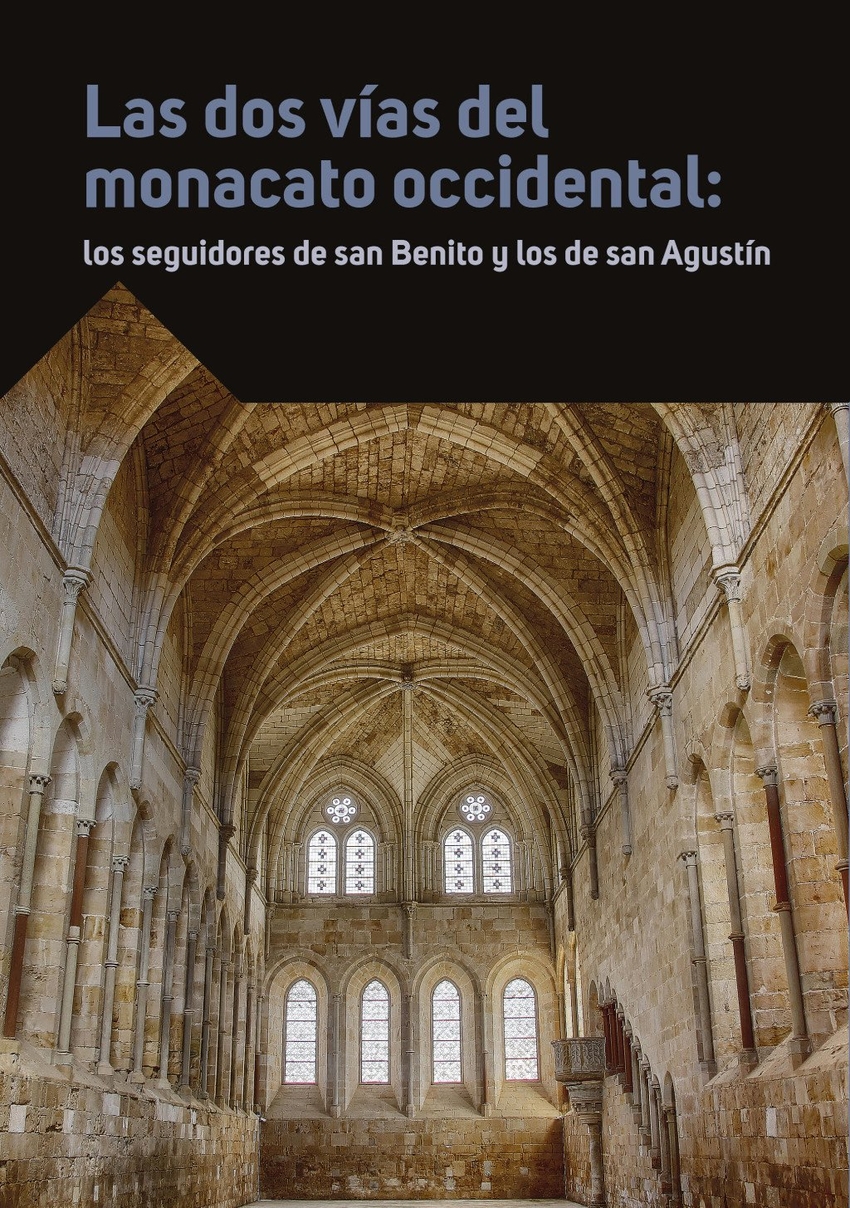
Los ocho capítulos de este libro analizan los dos itinerarios que siguieron las principales manifestaciones del monacato medieval, tanto desde el punto de vista histórico cómo artístico. Por un lado, la regla de san Benito, guía precisa de la vida del monje en su monasterio; de otro lado, la llamada regla de san Agustín, conjunto flexible de sugerencias de vida en común. De las dos, la benedictina recorrió triunfante los monasterios medievales a partir del momento en que se fundó el dedicado a los santos Pedro y Pablo en la localidad borgoñona de Cluny. Desde entonces, y especialmente durante el siglo XI, los monjes de hábito negro no sólo habían ido ocupando los monasterios de la Cristiandad latina, sino que los habían dotado de una codificación arquitectónica que resolvía los problemas espaciales de la vida comunitaria. Como reacción contra sus excesos de mundanización surgieron los monjes cistercienses, que, aspirando a seguir con rigor la misma regla de san Benito quisieron distinguirse de ellos desde el propio color de su hábito, ahora blanco, y la inicial austeridad de sus edificios. Paralelamente a estos dos movimientos monásticos de Cluny y Citeaux se fue produciendo una monaquización de los sacerdotes seculares que escogieron para su organización la regla de san Agustín. Estas dos reglas fueron tomadas también por las órdenes militares hispanas.