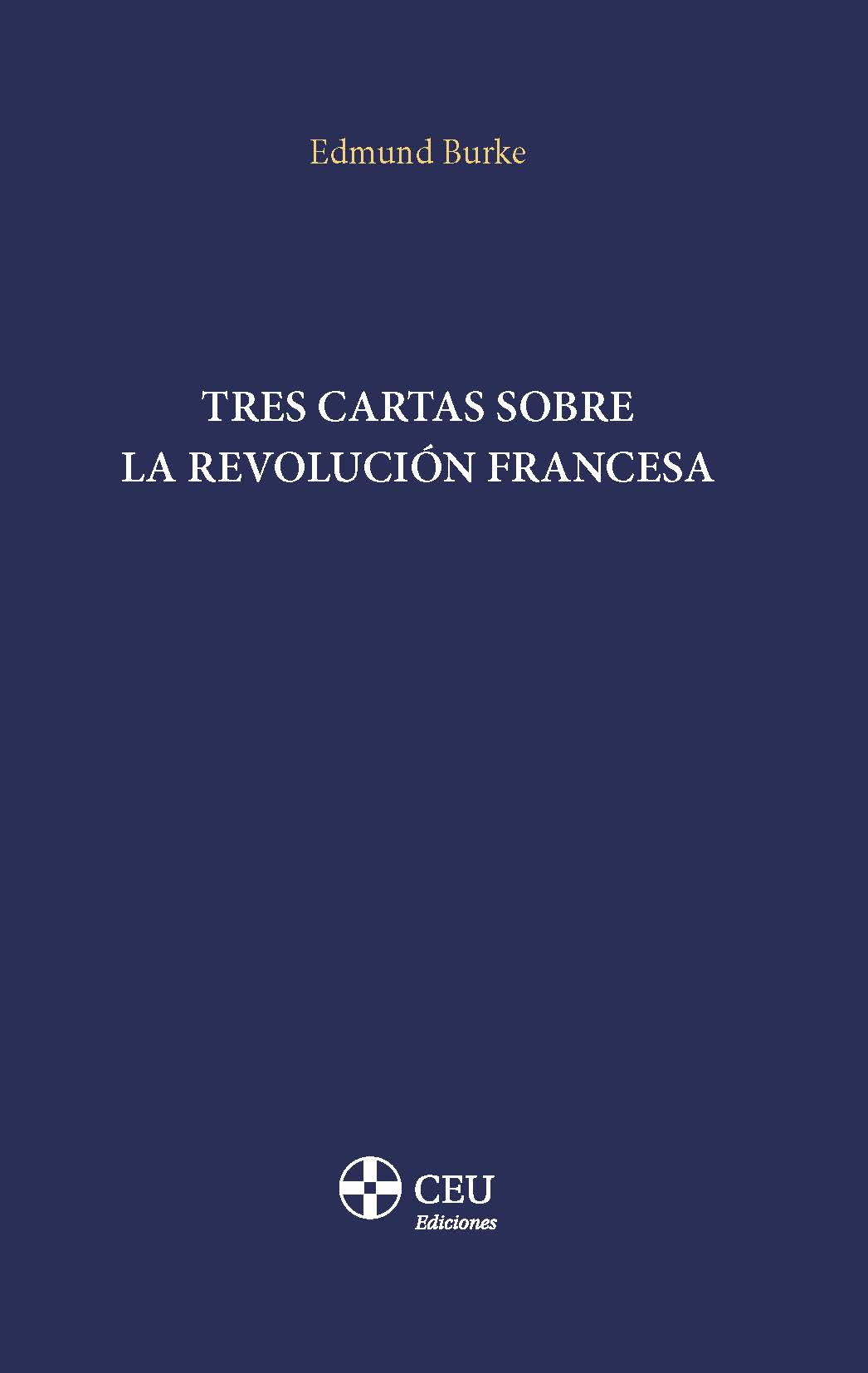
https://www.imosver.com/en/libros/tres-cartas-sobre-la-revolucion-francesa-CIM0014400CIM0014400Tres Cartas sobre la Revolución Francesa14.25Edmund Burke nació en Dublín el 12 de enero de 1729 y estudió en Trinity College Dublin (Irlanda) y en Middle Temple (Inglaterra). Murió en Beaconsfield, el 9 de julio de 1797. Entre sus primeras obrahttps://static.serlogal.com/imagenes_small/9788419/978841911197.jpgLibrosLibros/POLITICAEn stockLAETOLI000https://static.serlogal.com/imagenes_small/9788419/978841911197.jpg0010394165TOR0009632TOR00086661550.752023/12/019788419111975Burke, EdmundLibrosaño_2023idioma_SpanishCformato_Tapa blanda o Bolsilloautor_Burke, Edmundsaga_CEU
Artículo
Tres Cartas sobre la Revo
Burke Edmund
LAETOLI
POLITICA
Cookie Notice
We use cookies to ensure you get the best experience on our website.
Read cookie policy.
Gestionar preferencias de cookies
This type of cookie allows the user to browse a website, platform, or application and to use the different options or services that exist on it.
imosverlaravel_session
Description
This cookie is necessary for the website to function and cannot be disabled in our systems.
Duration
Sesión
Dependencies
Domain
imosver.com
OCT8NE
Description
This cookie is used for the proper functioning of the Oct8ne Chat to provide customer support service to the user.
These are those that enable the tracking and analysis of user behavior on our website. The information collected is used to measure user activity on the website and to create user browsing profiles.
_clsk
Description
It records statistical data about the visitor's behavior on the website. This is used for internal analysis by the website operator.
Duration
1 year
Dependencies
_clsk,MUID,_clck
Domain
logglytrackingsession
Description
Identifies and records the user session for analytical purposes.
Duration
Sesión
Dependencies
Domain
.imosver.com
GOOGLE_ANALYTICS
Description
Records a unique identifier that is used to generate statistical data about how the visitor uses the website.
Duration
1 year
Dependencies
Domain
.imosver.com
These are the ones that allow us to adapt the navigation on our website to your preferences (e.g., language, browser used, etc.).
_fbp
Description
Used by Facebook to offer a series of advertising products, such as real-time bids from third-party advertisers.
Edmund Burke nació en Dublín el 12 de enero de 1729 y estudió en Trinity College Dublin (Irlanda) y en Middle Temple (Inglaterra). Murió en Beaconsfield, el 9 de julio de 1797. Entre sus primeras obras literarias destacan A Philosophical Enquiry into the Origin of our Ideas of the Sublime and Beautiful (1757) y A Vindication of Natural Society: or, a View of the Miseries and Evils arising to Mankind from every Species of Artificial Society (1756). En diciembre de 1765 Burke ingresó en la Cámara de los Comunes del parlamento británico, y a partir de ese momento sus libros son resultado de su intervención política: Thoughts on the Cause of the Present Discontents (1770), American Taxation (1774), Conciliation with America (1775) y Fox's East India Bill (1783). Lo son igualmente sus textos posteriores a 1789, todos relacionados de alguna manera con la Revolución en Francia: Reflections on the Revolution in France (1790), An Appeal from the New to the Old Whigs (1791), Letters on a Regicide Peace (1795-1797) y A Letter to a Noble Lord (1796). La presente recopilación comprende tres importantes cartas sobre el mismo tema: las dirigidas a Charles-Jean-François Depont (noviembre de 1789), Philip Francis (20 de febrero de 1790) y François-Louis-Thibaut de Menonville (mayo de 1791). ¿Por qué Burke ¿Y por qué ahora Dos preguntas que suponen dos razones sobre la pertinencia de publicar estas tres cartas, no traducidas hasta ahora al español, del insigne autor británico. Sobre la primera de las preguntas, ¿por qué Burke , la razón se halla en la constatación de un hecho, a saber: la Revolución sobre la que Burke dio la voz de alarma e hizo el más clarividente juicio acerca de su alcance y significado no es un hecho del pasado, sino una realidad muy presente, tan presente que en estos momentos parece campear por todo Occidente con casi nula oposición a sus avances (Dell prólogo)