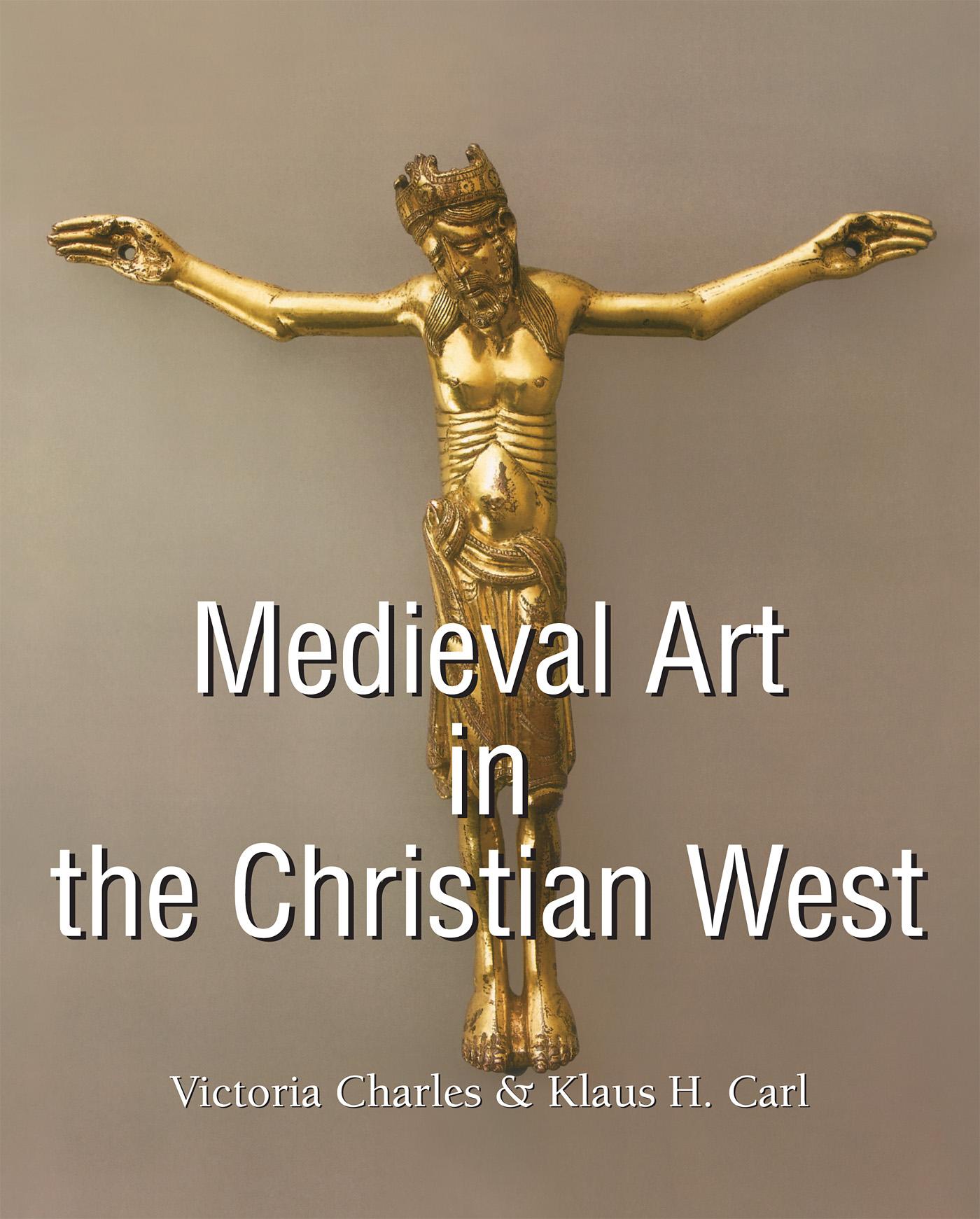
https://www.imosver.com/gl/ebooks/medieval-art-in-the-christian-west-E0002743434E0002743434MEDIEVAL ART IN THE CHRISTIAN WEST16.13September 4, 476 A. D. marked the end of the Western Roman Empire. After several centuries of prosperity, Europe sank into chaos. With Charlemagne, a new dynamic begins that of a civilising reconstruchttps://www.aglutinaeditores.com/media/resources/public/5a/5afe/5afef6ee15644b80a64149ac1ab3823d.jpgEbookEbook/PINTURA, ESCULTURA, DANZA Y TEATRODisponiblePARKSTONE INTERNATIONAL000https://www.aglutinaeditores.com/media/resources/public/5a/5afe/5afef6ee15644b80a64149ac1ab3823d.jpg16.9850.852020/02/279781781603048KLAUS H. CARL;VICTORIA CHARLESEbookaño_2020engautor_KLAUS H. CARL;VICTORIA CHARLES
Este tipo de cookies permiten ao usuario a navegación a través dunha páxina web, plataforma ou aplicación e a utilización das diferentes opcións ou servizos que nelas existan.
imosverlaravel_session
Descrición
Esta cookie é necesaria para que o sitio web funcione e non se pode desactivar nos nosos sistemas.
Duración
Sesión
Dependencias
Dominio
imosver.com
OCT8NE
Descrición
Esta cookie utilízase para o correcto funcionamento do Chat de Oct8ne para prestar o servizo de atención ao cliente ao usuario.
Son aquelas que posibilitan o seguimento e análise do comportamento dos usuarios na nosa páxina. A información recollida utilízase para a medida da actividade dos usuarios na web e a elaboración de perfís de navegación dos usuarios.
_clsk
Descrición
Rexistra datos estatísticos do comportamento do visitante na web. Isto utilízase para análises internas por parte do operador da web.
Duración
1 ano
Dependencias
_clsk,MUID,_clck
Dominio
logglytrackingsession
Descrición
Identifica e rexistra a sesión do usuario con fins analíticos.
Duración
Sesión
Dependencias
Dominio
.imosver.com
GOOGLE_ANALYTICS
Descrición
Rexistra unha identificación única que se utiliza para xerar datos estatísticos sobre como utiliza o visitante o sitio web.
Duración
1 ano
Dependencias
Dominio
.imosver.com
Son aquelas que nos permiten adaptar a navegación na nosa páxina web ás súas preferencias (por exemplo, idioma, navegador utilizado, etc.).
_fbp
Descrición
Utilizado por Facebook para ofrecer unha serie de produtos publicitarios, como ofertas en tempo real de terceiros anunciantes.
September 4, 476 A. D. marked the end of the Western Roman Empire. After several centuries of prosperity, Europe sank into chaos. With Charlemagne, a new dynamic begins that of a civilising reconstruction. The Romanesque period is part of the rediscovery of this Roman Empire, lost in memories, but living on in the architectural testimonies of the cities and the countryside. In art history, Romanesque art refers to the period between the beginning of the 11th and the end of the 12th century. This era was characterised by a great diversity of regional schools, each practising their own unique style. In architecture as well as in sculpture, Romanesque art is marked by raw forms. Through its rich iconography and captivating text, this work endeavours to restore the importance of this art which is often overshadowed by the later Gothic style. Gothic art is defined by the powerful architecture of the cathedrals of northern France. It is a medieval art movement that evolved throughout Europe over 200 years. Abandoning curved Roman forms, the architects started using flying buttresses and pointed arches to open cathedrals to daylight. A period of great economic and social change, the Gothic era incorporated new iconography celebrating the Holy Mary — a drastic contrast to the dismal themes of Roman times. Full of rich changes in all of the various art forms (architecture, sculpture, painting, etc.), Gothic art paved the way for the Italian Renaissance and the International Gothic movement.