https://www.imosver.com/gl/libros/after-hegel-00105164520010516452After Hegel35.83Histories of German philosophy in the nineteenth century typically focus on its first half-when Hegel, idealism, and Romanticism dominated. By contrast, the remainder of the century, after Hegel?s deahttps://static.serlogal.com/imagenes_small/9780691/978069117371.jpgLibrosLibros/FILOSOFIAEn stockIBD PODIPRINT000https://static.serlogal.com/imagenes_small/9780691/978069117371.jpg0010490122001020086437.7251.892016/09/139780691173719Beiser, Frederick C.Librosaño_2016idioma_InglésIautor_Beiser, Frederick C.saga_.
Este tipo de cookies permiten ao usuario a navegación a través dunha páxina web, plataforma ou aplicación e a utilización das diferentes opcións ou servizos que nelas existan.
imosverlaravel_session
Descrición
Esta cookie é necesaria para que o sitio web funcione e non se pode desactivar nos nosos sistemas.
Duración
Sesión
Dependencias
Dominio
imosver.com
OCT8NE
Descrición
Esta cookie utilízase para o correcto funcionamento do Chat de Oct8ne para prestar o servizo de atención ao cliente ao usuario.
Son aquelas que posibilitan o seguimento e análise do comportamento dos usuarios na nosa páxina. A información recollida utilízase para a medida da actividade dos usuarios na web e a elaboración de perfís de navegación dos usuarios.
_clsk
Descrición
Rexistra datos estatísticos do comportamento do visitante na web. Isto utilízase para análises internas por parte do operador da web.
Duración
1 ano
Dependencias
_clsk,MUID,_clck
Dominio
logglytrackingsession
Descrición
Identifica e rexistra a sesión do usuario con fins analíticos.
Duración
Sesión
Dependencias
Dominio
.imosver.com
GOOGLE_ANALYTICS
Descrición
Rexistra unha identificación única que se utiliza para xerar datos estatísticos sobre como utiliza o visitante o sitio web.
Duración
1 ano
Dependencias
Dominio
.imosver.com
Son aquelas que nos permiten adaptar a navegación na nosa páxina web ás súas preferencias (por exemplo, idioma, navegador utilizado, etc.).
_fbp
Descrición
Utilizado por Facebook para ofrecer unha serie de produtos publicitarios, como ofertas en tempo real de terceiros anunciantes.
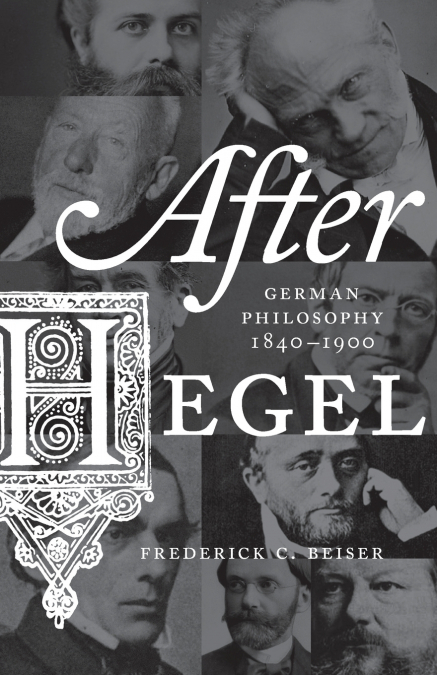
Histories of German philosophy in the nineteenth century typically focus on its first half-when Hegel, idealism, and Romanticism dominated. By contrast, the remainder of the century, after Hegel?s death, has been relatively neglected because it has been seen as a period of stagnation and decline. But Frederick Beiser argues that the second half of the century was in fact one of the most revolutionary periods in modern philosophy because the nature of philosophy itself was up for grabs and the very absence of certainty led to creativity and the start of a new era. In this innovative concise history of German philosophy from 1840 to 1900, Beiser focuses not on themes or individual thinkers but rather on the period?s five great debates: the identity crisis of philosophy, the materialism controversy, the methods and limits of history, the pessimism controversy, and the Ignorabimusstreit. Schopenhauer and Wilhelm Dilthey play important roles in these controversies but so do many neglected figures, including Ludwig Büchner, Eugen Dühring, Eduard von Hartmann, Julius Fraunstaedt, Hermann Lotze, Adolf Trendelenburg, and two women, Agnes Taubert and Olga Pluemacher, who have been completely forgotten in histories of philosophy. The result is a wide-ranging, original, and surprising new account of German philosophy in the critical period between Hegel and the twentieth century.