- Libros
- INFORMATICA
- DAMA-DMBOK (2nd Edition)
- Libros
- INFORMATICA
- DAMA-DMBOK (2nd Edition)
Inglés
Sinopse DAMA-DMBOK (2nd Edition)
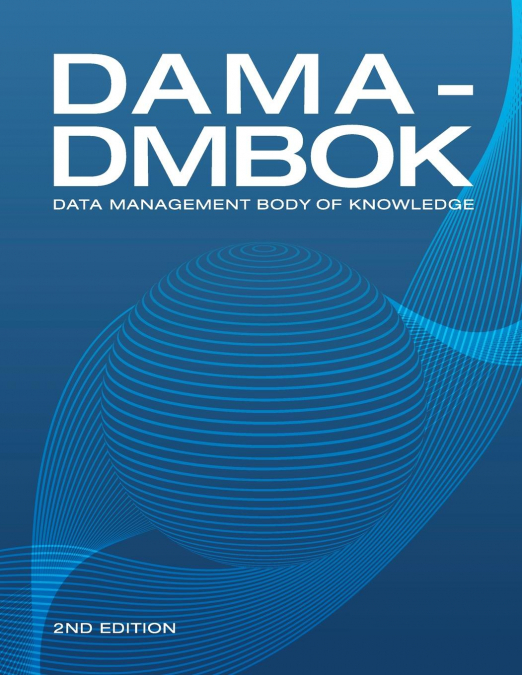
The Data Management Body of Knowledge (DAMA-DMBOK2) presents a comprehensive view of the challenges, complexities, and value of effective data management. Today&rsquo,s organizations recognize that managing data is central to their success. They recognize data has value and they want to leverage that value. As our ability and desire to create and exploit data has increased, so too has the need for reliable data management practices.The second edition of DAMA International&rsquo,s Guide to the Data Management Body of Knowledge updates and augments the highly successful DMBOK1. An accessible, authoritative reference book written by leading thinkers in the field and extensively reviewed by DAMA members, DMBOK2 brings together materials that comprehensively describe the challenges of data management and how to meet them by: Defining a set of guiding principles for data management and describing how these principles can be applied within data management functional areas. Providing a functional framework for the implementation of enterprise data management practices, including widely adopted practices, methods and techniques, functions, roles, deliverables and metrics. Establishing a common vocabulary for data management concepts and serving as the basis for best practices for data management professionals. DAMA-DMBOK2 provides data management and IT professionals, executives, knowledge workers, educators, and researchers with a framework to manage their data and mature their information infrastructure, based on these principles: Data is an asset with unique properties The value of data can be and should be expressed in economic termsá Managing data means managing the quality of data It takes metadata to manage data It takes planning to manage data Data management is cross-functional and requires a range of skills and expertise Data management requires an enterprise perspective Data management must account for a range of perspectives Data management is data lifecycle management Different types of data have different lifecycle requirements Managing data includes managing risks associated with data Data management requirements must drive information technology decisions Effective data management requires leadership commitment Chapters include: Data Management Data Handling Ethics Data Governance Data Architecture Data Modeling and Design Data Storage and Operations Data Security Data Integration & Interoperability Document and Content Management Reference and Master Data Data Warehousing and Business Intelligence Metadata Management Data Quality Management Big Data and Data Science Data Management Maturity Assessment Data Management Organization and Role Expectations Data Management and Organizational Change Management Standardization of data management disciplines will help data management professionals perform more effectively and consistently. It will also enable organizational leaders to recognize the value and contributions of data management activities.
EAN
9781634622349
Editorial
Ano de edición
2017
Páxinas
628
Idioma
Inglés
Colección
.
Alto
280
Ancho
216
71.62 €
- 5 % DTO
68.04 €
En stock
IMPRESIÓN BAIXO DEMANDA