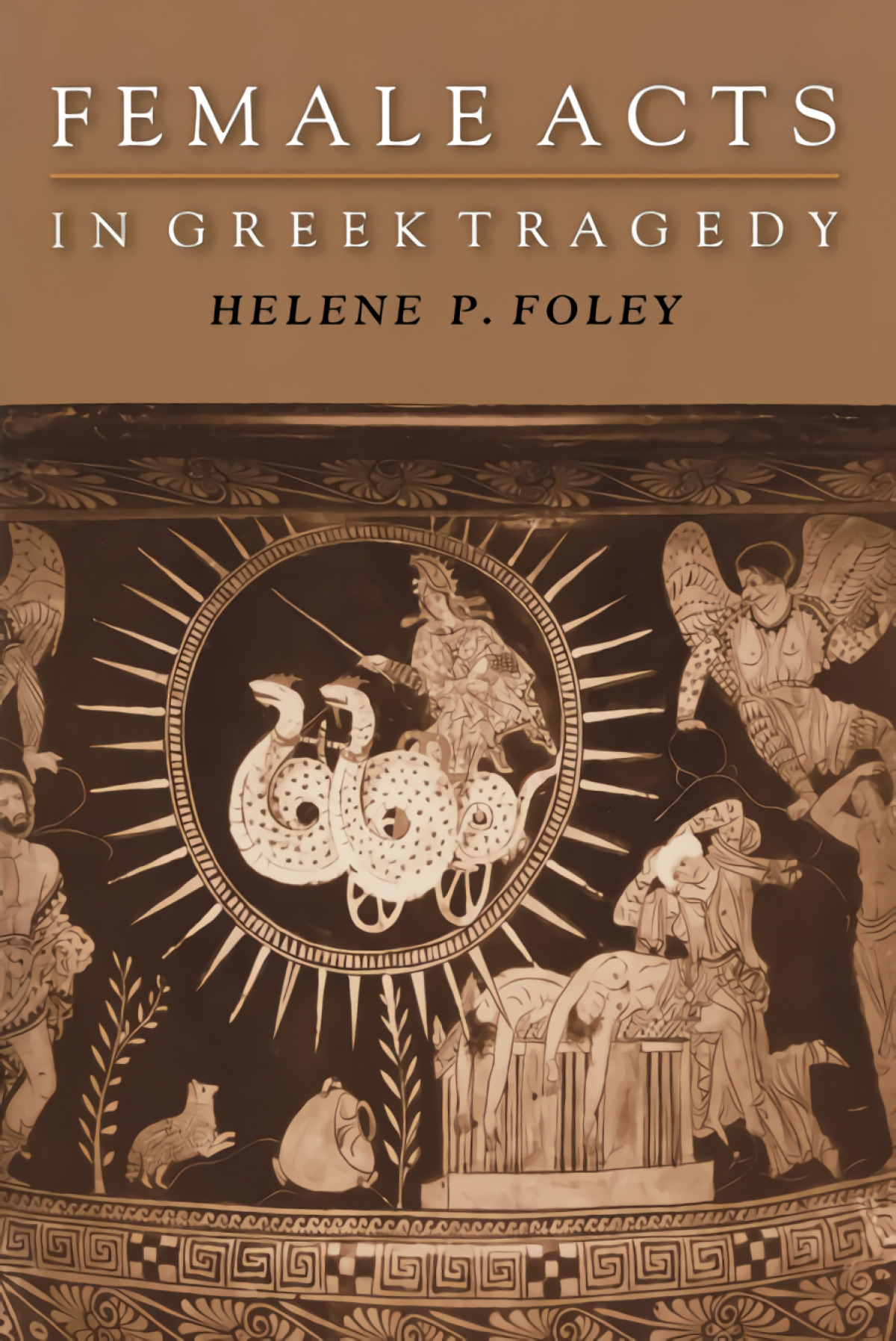
https://www.imosver.com/gl/libros/female-acts-in-greek-tragedy-00102887350010288735Female Acts in Greek Tragedy68.06Although Classical Athenian ideology did not permit women to exercise legal, economic, and social autonomy, the tragedies of Aeschylus, Sophocles, and Euripides often represent them as influential sochttps://static.serlogal.com/imagenes_small/9780691/978069109492.jpgLibrosLibros/LITERATURAEn stockIBD PODIPRINT000https://static.serlogal.com/imagenes_small/9780691/978069109492.jpg71.6453.582002/12/089780691094922Foley, Helene P.Librosaño_2002idioma_InglésIautor_Foley, Helene P.saga_.
Este tipo de cookies permiten ao usuario a navegación a través dunha páxina web, plataforma ou aplicación e a utilización das diferentes opcións ou servizos que nelas existan.
imosverlaravel_session
Descrición
Esta cookie é necesaria para que o sitio web funcione e non se pode desactivar nos nosos sistemas.
Duración
Sesión
Dependencias
Dominio
imosver.com
OCT8NE
Descrición
Esta cookie utilízase para o correcto funcionamento do Chat de Oct8ne para prestar o servizo de atención ao cliente ao usuario.
Son aquelas que posibilitan o seguimento e análise do comportamento dos usuarios na nosa páxina. A información recollida utilízase para a medida da actividade dos usuarios na web e a elaboración de perfís de navegación dos usuarios.
_clsk
Descrición
Rexistra datos estatísticos do comportamento do visitante na web. Isto utilízase para análises internas por parte do operador da web.
Duración
1 ano
Dependencias
_clsk,MUID,_clck
Dominio
logglytrackingsession
Descrición
Identifica e rexistra a sesión do usuario con fins analíticos.
Duración
Sesión
Dependencias
Dominio
.imosver.com
GOOGLE_ANALYTICS
Descrición
Rexistra unha identificación única que se utiliza para xerar datos estatísticos sobre como utiliza o visitante o sitio web.
Duración
1 ano
Dependencias
Dominio
.imosver.com
Son aquelas que nos permiten adaptar a navegación na nosa páxina web ás súas preferencias (por exemplo, idioma, navegador utilizado, etc.).
_fbp
Descrición
Utilizado por Facebook para ofrecer unha serie de produtos publicitarios, como ofertas en tempo real de terceiros anunciantes.
Although Classical Athenian ideology did not permit women to exercise legal, economic, and social autonomy, the tragedies of Aeschylus, Sophocles, and Euripides often represent them as influential social and moral forces in their own right. Scholars have struggled to explain this seeming contradiction. Helene Foley shows how Greek tragedy uses gender relations to explore specific issues in the development of the social, political, and intellectual life in the polis. She investigates three central and problematic areas in which tragic heroines act independently of men: death ritual and lamentation, marriage, and the making of significant ethical choices. Her anthropological approach, together with her literary analysis, allows for an unusually rich context in which to understand gender relations in ancient Greece. This book examines, for example, the tragic response to legislation regulating family life that may have begun as early as the sixth century. It also draws upon contemporary studies of virtue ethics and upon feminist reconsiderations of the Western ethical tradition. Foley maintains that by viewing public issues through the lens of the family, tragedy asks whether public and private morality can operate on the same terms. Moreover, the plays use women to represent significant moral alternatives. Tragedy thus exploits, reinforces, and questions cultural clichés about women and gender in a fashion that resonates with contemporary Athenian social and political issues.