https://www.imosver.com/gl/libros/in-the-soviet-house-of-culture-00102882800010288280In the Soviet House of Culture59.55At the outset of the twentieth century, the Nivkhi of Sakhalin Island were a small population of fishermen under Russian dominion and an Asian cultural sway. The turbulence of the decades that followehttps://static.serlogal.com/imagenes_small/9780691/978069104432.jpgLibrosLibros/SOCIOLOGIAEn stockIBD PODIPRINT000https://static.serlogal.com/imagenes_small/9780691/978069104432.jpg62.6853.131995/10/229780691044323Grant, BruceLibrosaño_1995idioma_InglésIautor_Grant, Brucesaga_.
Este tipo de cookies permiten ao usuario a navegación a través dunha páxina web, plataforma ou aplicación e a utilización das diferentes opcións ou servizos que nelas existan.
imosverlaravel_session
Descrición
Esta cookie é necesaria para que o sitio web funcione e non se pode desactivar nos nosos sistemas.
Duración
Sesión
Dependencias
Dominio
imosver.com
OCT8NE
Descrición
Esta cookie utilízase para o correcto funcionamento do Chat de Oct8ne para prestar o servizo de atención ao cliente ao usuario.
Son aquelas que posibilitan o seguimento e análise do comportamento dos usuarios na nosa páxina. A información recollida utilízase para a medida da actividade dos usuarios na web e a elaboración de perfís de navegación dos usuarios.
_clsk
Descrición
Rexistra datos estatísticos do comportamento do visitante na web. Isto utilízase para análises internas por parte do operador da web.
Duración
1 ano
Dependencias
_clsk,MUID,_clck
Dominio
logglytrackingsession
Descrición
Identifica e rexistra a sesión do usuario con fins analíticos.
Duración
Sesión
Dependencias
Dominio
.imosver.com
GOOGLE_ANALYTICS
Descrición
Rexistra unha identificación única que se utiliza para xerar datos estatísticos sobre como utiliza o visitante o sitio web.
Duración
1 ano
Dependencias
Dominio
.imosver.com
Son aquelas que nos permiten adaptar a navegación na nosa páxina web ás súas preferencias (por exemplo, idioma, navegador utilizado, etc.).
_fbp
Descrición
Utilizado por Facebook para ofrecer unha serie de produtos publicitarios, como ofertas en tempo real de terceiros anunciantes.
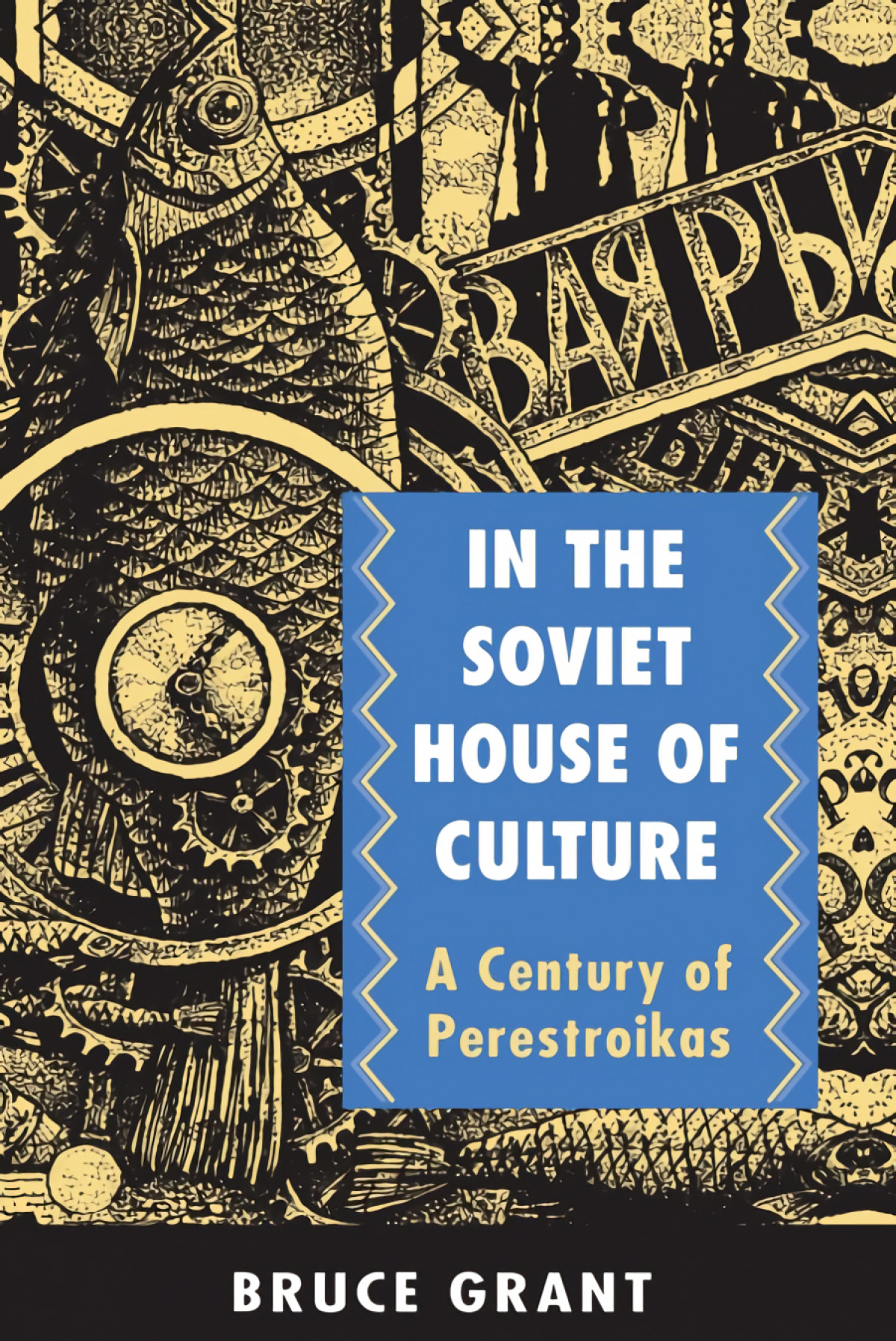
At the outset of the twentieth century, the Nivkhi of Sakhalin Island were a small population of fishermen under Russian dominion and an Asian cultural sway. The turbulence of the decades that followed would transform them dramatically. While Russian missionaries hounded them for their pagan ways, Lenin praised them, while Stalin routed them in purges, Khrushchev gave them respite, and while Brezhnev organized complex resettlement campaigns, Gorbachev pronounced that they were free to resume a traditional life. But what is tradition after seven decades of building a Soviet world? Based on years of research in the former Soviet Union, Bruce Grant's book draws upon Nivkh interviews, newly opened archives, and rarely translated Soviet ethnographic texts to examine the effects of this remarkable state venture in the construction of identity. With a keen sensitivity, Grant explores the often paradoxical participation by Nivkhi in these shifting waves of Sovietization and poses questions about how cultural identity is constituted and reconstituted, restructured and dismantled. Part chronicle of modernization, part saga of memory and forgetting, In the Soviet House of Culture is an interpretive ethnography of one people's attempts to recapture the past as they look toward the future. This is a book that will appeal to anthropologists and historians alike, as well as to anyone who is interested in the people and politics of the former Soviet Union.