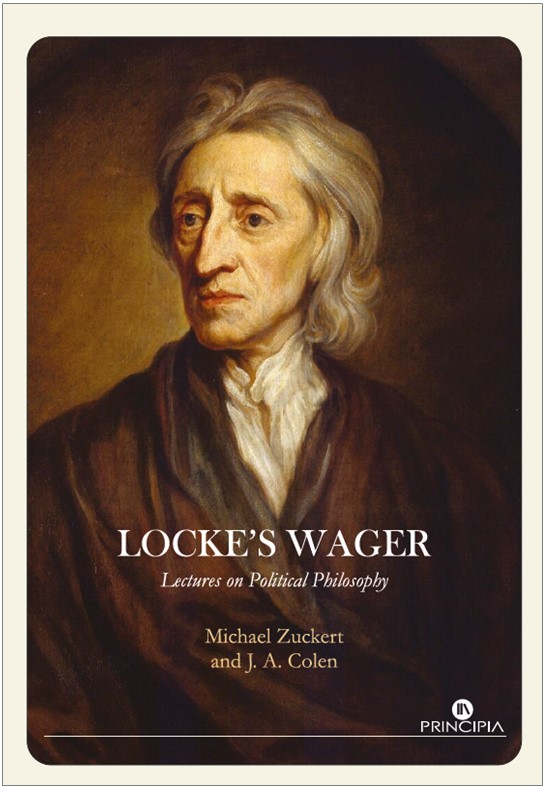
https://www.imosver.com/gl/libros/lockeaes-wager-00105508460010550846LOCKEÆS WAGER26.11"Lockes case for the law of nature has been called the workmanship argument. We are self-owners. Locke seems to be speaking to that common way of understanding ourselves when we say things like my lifhttps://static.serlogal.com/imagenes_small/9789897/978989716453.jpgLibrosLibros/POLITICAEn stockPRINCIPIA000https://static.serlogal.com/imagenes_small/9789897/978989716453.jpg001055084527.4851.372025/05/019789897164538Zuckert,Michael/colen, J.A.Librosaño_2025idioma_InglésIautor_Zuckert,Michael/colen, J.A.saga_HISTORIA
Este tipo de cookies permiten ao usuario a navegación a través dunha páxina web, plataforma ou aplicación e a utilización das diferentes opcións ou servizos que nelas existan.
imosverlaravel_session
Descrición
Esta cookie é necesaria para que o sitio web funcione e non se pode desactivar nos nosos sistemas.
Duración
Sesión
Dependencias
Dominio
imosver.com
OCT8NE
Descrición
Esta cookie utilízase para o correcto funcionamento do Chat de Oct8ne para prestar o servizo de atención ao cliente ao usuario.
Son aquelas que posibilitan o seguimento e análise do comportamento dos usuarios na nosa páxina. A información recollida utilízase para a medida da actividade dos usuarios na web e a elaboración de perfís de navegación dos usuarios.
_clsk
Descrición
Rexistra datos estatísticos do comportamento do visitante na web. Isto utilízase para análises internas por parte do operador da web.
Duración
1 ano
Dependencias
_clsk,MUID,_clck
Dominio
logglytrackingsession
Descrición
Identifica e rexistra a sesión do usuario con fins analíticos.
Duración
Sesión
Dependencias
Dominio
.imosver.com
GOOGLE_ANALYTICS
Descrición
Rexistra unha identificación única que se utiliza para xerar datos estatísticos sobre como utiliza o visitante o sitio web.
Duración
1 ano
Dependencias
Dominio
.imosver.com
Son aquelas que nos permiten adaptar a navegación na nosa páxina web ás súas preferencias (por exemplo, idioma, navegador utilizado, etc.).
_fbp
Descrición
Utilizado por Facebook para ofrecer unha serie de produtos publicitarios, como ofertas en tempo real de terceiros anunciantes.
"Lockes case for the law of nature has been called the workmanship argument. We are self-owners. Locke seems to be speaking to that common way of understanding ourselves when we say things like my life, my body, my mind. Being self-owned gives us the sarne rights and immunities, the sarne rights to life, liberty, and estate, as being God-owned does. Thus, Locke has given us two paths to the sarne destination, though it is difficult not to suspect that these two paths are in some way or another incompatible with each other. Why might he have done this, and what mightit signify thathe has? One way to understand the relationship between the two arguments might be to understand this as something like Locke's wager, borrowing here from Pascal. He signals, in various ways, his uncertainty about this argument. ln the face of this uncertainty, he may have decided to appeal to the self-ownership argument as one with similar moral and political consequences, yet one about which he had fewer reservations about his ability to make good its foundation.This strategy of presenting two alternate accounts of the law of nature and the foundation of natural rights accounts for many of the most significant debates about LockeÆs political philosophy. Some of the interpreters find Locke to be a theologically-grounded thinker. Orthers find him to be entirely secular. If my notion of LockeÆs wager is correct, then it follows that there is good support for both major interpretations of Locke. We are left, though, with two questions: Which is the real Locke? and Does it matter? Michael Zuckert (Excerpt from the Lectures)"