- Libros
- PSICOLOGIA
- Tears and Tantrums
- Libros
- PSICOLOGIA
- Tears and Tantrums
Inglés
Sinopse Tears and Tantrums
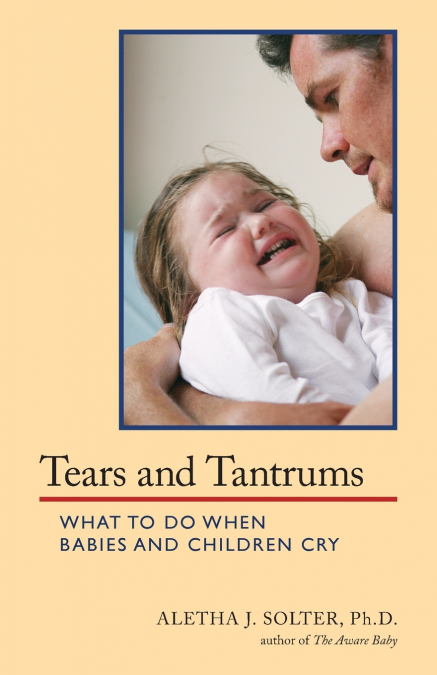
Parents and early childhood educators ask more questions about crying than about any other topic, wondering whether it is appropriate to comfort, ignore, distract, punish, give in, or listen empathically to children when they cry. Tears and Tantrums is a highly readable, compassionate, and well-researched book in which the author addresses these common questions and concerns.áááááThere has been a huge misunderstanding about the purpose of crying in healthy development, leading to the wide-spread notion that crying should be stopped. Backed by scientific studies, the author proposes a stress-release theory of crying and recommends an attitude of acceptance towards children',s tears and tantrums. At the core of her approach is the concept of empathic listening.The book is divided into four sections. The first section (some facts about tears and tantrums) describes the major sources of stress for children, the physiology of crying, and the psychological benefits of it. It also covers the uses of crying in therapy, the differences in crying between men and women, and the ways in which stress-release crying becomes repressed.ááááááááááá The second section describes the sources of stress for infants (such as birth trauma and overstimulation), which can cause a need for stress-release crying during the first year. The author makes an important distinction between crying to communicate and crying to release stress, and she explains how problems such as night waking in older infants can be resolved when sufficient stress release has taken place. She emphasizes that infants should never be left to cry alone. Instead, she recommends that parents hold their crying infants, try to meet the infant&rsquo,s immediate needs, and then offer comfort and empathy if the baby still needs to cry. An interesting section discusses the typical behaviors that can result when there is a mismatch between the infant&rsquo,s needs and the parents&rsquo, response.ááááááááááá In the third section (about children from one to eight years) the author explains the reasons for tantrums, specifically the "broken-cookie" phenomenon (when a child rages over a minor incident), while making an important distinction between healthy anger release and aggressive behavior. She also offers suggestions on how to respond lovingly to crying during physical hurts and separations, at bedtime, and after traumatic events. The final section (practical applications) includes many personal accounts by parents using this approach as well as answers to the most commonly asked questions.ááááááááááá Tears and Tantrums has been favorably reviewed by Publishers Weekly and Booklist as well as by many psychologists, psychiatrists, educators, and parents. It has been translated into many languages.
12.62 €
- 5 % DTO
11.99 €
En stock
IMPRESIÓN BAIXO DEMANDA